On the surface, My Hero Academia is a typical shonen anime about superheroes and flashy quirks. But at its heart, the series asks serious questions about identity, philosophy, and the cost of heroism.
These questions also define how the series' two most important quirks, One For All and All For One, work, both thematically and mechanically. To understand what these quirks mean and why they work the way they do, we need to understand the themes that Kohei Horikoshi wanted to explore (and the points he wanted to make) with MHA itself.
This article will provide a concrete explanation of exactly how OFA and AFO work, and it will also provide the full backstory of how two brothers born in the earliest days of the quirk era created a conflict that would play out across generations. In particular, it will help you understand the thematic significance of how the Final War ended and why MHA's story concluded in the way it did.
If you have not yet finished the manga or anime, be aware: this is a spoiler-heavy article that covers everything, including how the story ends. If you're early in the series, this MHA watch order guide will help you navigate the seasons, movies, and OVAs before going further.
Where it Started: Two Brothers
The origin of both quirks is also the origin of the whole series' conflict, and it begins not with heroes or villains but with two siblings.
During the earliest era of quirk emergence, two brothers were born. The elder, eventually known as All For One, was born with the ability to steal other people's quirks and redistribute them as he chose. It was one of the most powerful abilities to appear in that chaotic period, and he used it immediately to consolidate power. He built an empire of followers by taking quirks from some people and giving them to others, creating a network of loyalty built entirely on dependency.
His younger brother, Yoichi, appeared to be quirkless. He was also frail, physically weak, and unable to resist his brother in any practical sense. All For One kept him close in the same way a collector keeps something precious. Not out of affection exactly, but out of possession. In AFO's view, Yoichi belonged to him, and the idea that Yoichi might not want to be with him was something AFO simply could not process.
Yoichi however, had a different moral perspective than AFO. He watched his brother steal from people and saw it for the act of evil that it was. He refused to participate regardless of what it cost him personally. This is the first incredibly important point to understand about One For All and how it ties into MHA's core themes. It was not born from a place of power, but rather it was born of an act of heroic defiance. The entire quirk is based on a powerless person choosing to take a stand for what was right, even though it would cost them dearly.
All For One, frustrated by his brother's refusal to participate in his empire, forced a stockpiling quirk into Yoichi to strengthen his weak body. What he didn't know was that Yoichi already had a quirk, one so minor it had never been detected. It had only one function: it could bestow itself on another person. Thus, when the stockpiling quirk merged with Yoichi's transfer quirk, something new was created: One For All.
And so we see that One For All, the most powerful heroic quirk in the series, and the one that would eventually stop All For One and reshape the world, was created by All For One himself. He built the thing that would destroy him because he couldn't imagine that someone weaker than him could ever pose a real threat.
Yoichi's defiance of AFO is a clear hint as to why One For All will later fit Deku so perfectly. Season 1 Deku's entire personality revolves around wanting to be a hero and always taking the hero's path despite, what it might cost him. One of the key themes Horikoshi explores in MHA is the not simply what it means to be a hero, but what it costs.
The Actual Mechanis of OFA and AFO
All For One can steal any quirk from any person, leaving them quirkless. The stolen quirk becomes his to use permanently. He can also give quirks to others, which is how he built his following. He can hold dozens of quirks simultaneously and combine them in combat. This makes him incredibly dangerous, but there are limits. He seems to avoid highly specialized quirks that require years of training to use effectively because taking a quirk doesn't give you the mastery its original owner developed.
AFO specifically sought out a longevity quirk from Dr. Garaki so he could continue stealing quirks and consolidating power indefinitely.
But there was one exception. All For One could not steal One For All.
This is where we can see the beauty of Horikoshi's quirk system. OFA doesn't have plot armor against AFO. Instead, its resistance is built into the mechanics of quirk transfer. AFO steals quirks through an act of force and dominance. It is essentially AFO's will causing another person to submit. But when AFO attempts to steal OFA, he encounters not just the power of the current user, but the accumulated will of every person who ever held it. These vestiges, the consciousness fragments of previous OFA users, exist inside the quirk and actively resist theft. When AFO tries to steal OFA from Deku, he isn't just fighting the will of one person. He's fighting all of the people who carried OFA across generations, including the ghost of his own brother.
One For All can only be passed on as a result of intent. It must be willingly given to a new bearer. We can see themes of collectivism vs individualism emerging here. AFO's philosophy is to accumulate power by dominating others, and the philosophy of OFA is to serve the greater whole by sharing power.
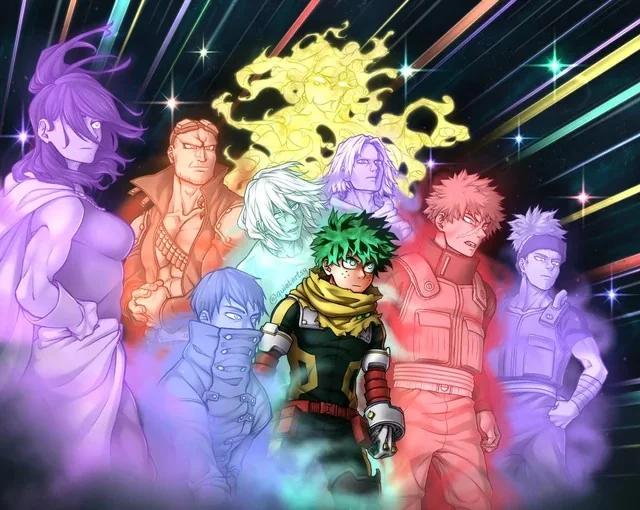
One For All accumulates and strengthens with each new user. Every person who holds it adds to what the next person inherits. It also preserves something of each user's quirk factor and consciousness within itself, which is why Deku can eventually access the individual quirks of previous users: Blackwhip from Daigoro Banjo, Float from Nana Shimura, Danger Sense from Hikage Shinomori, Smokescreen from En, Fa Jin from Bruce, and Gearshift from Kudo. It is also why Deku can interact with their vestiges in the internal space the quirk generates. If you'd like to know more about these inherited quirks, you can check out the complete MHA character quirk guide.
The place where Deku meets the previous users of OFA, that internal space where the vestiges reside, echoes the vault where All For One imprisoned Yoichi in the earliest days. The quirk seems to build its home inside a space that recalls the original act of captivity, as if every OFA user has been living and developing inside a memory of what the quirk was created to resist.
Finally, One For All has a hard limit that All For One does not: it shortens the lifespan of users who already have quirks. The accumulated power eventually exceeds what a human body with an existing quirk factor can sustain, which is why several quirked OFA users died young. All Might is the exception. Because he was quirkless, he could hold OFA for forty years without the same lifespan drain. His inability to consistently stay in his hero form is not a result of strain from OFA but rather due to the catastrophic injury he suffered fighting All For One.
Deku, born quirkless like All Might, is a better long-term vessel than most because he doesn't have a pre-existing quirk factor competing with One For All. Thismeans OFA is not burning through his lifespan the way it did with quirked predecessors, and it again echoes one of the core themes of MHA that heroism is about the choices you make rather than what you are born with.
The Meaning Behind the Names
The names of OFA and AFO were deliberately chosen. The brothers, as children, read a comic series together called Captain Hero. In that series, the motto associated with heroism was "All for one, one for all". Many of us recognize this as coming from Alexandre Dumas' Three Musketeers. It means both that the group stands together for any individual member and that any individual acts on behalf of the whole group.
The elder brother took the first half of that phrase and made it his name and his philosophy: All For One. All power, all quirks, all people, for one person. Him. This is a subversion of the intention of the original phrase.
Yoichi's quirk became the second half: One For All. One power, passed across many people, for the benefit of everyone. We can see the same source phrase, split into opposing philosophies, held by two brothers who started from the same place and chose completely different paths.
This isn't subtle because Horikoshi wants you to understand that the fight between these quirks is explicitly a fight between two ideas about what power is for. AFO says power exists to be accumulated by those strong enough to take it. OFA says power exists to be shared with those worthy enough to use it for others.
The Significance of the Nine Users
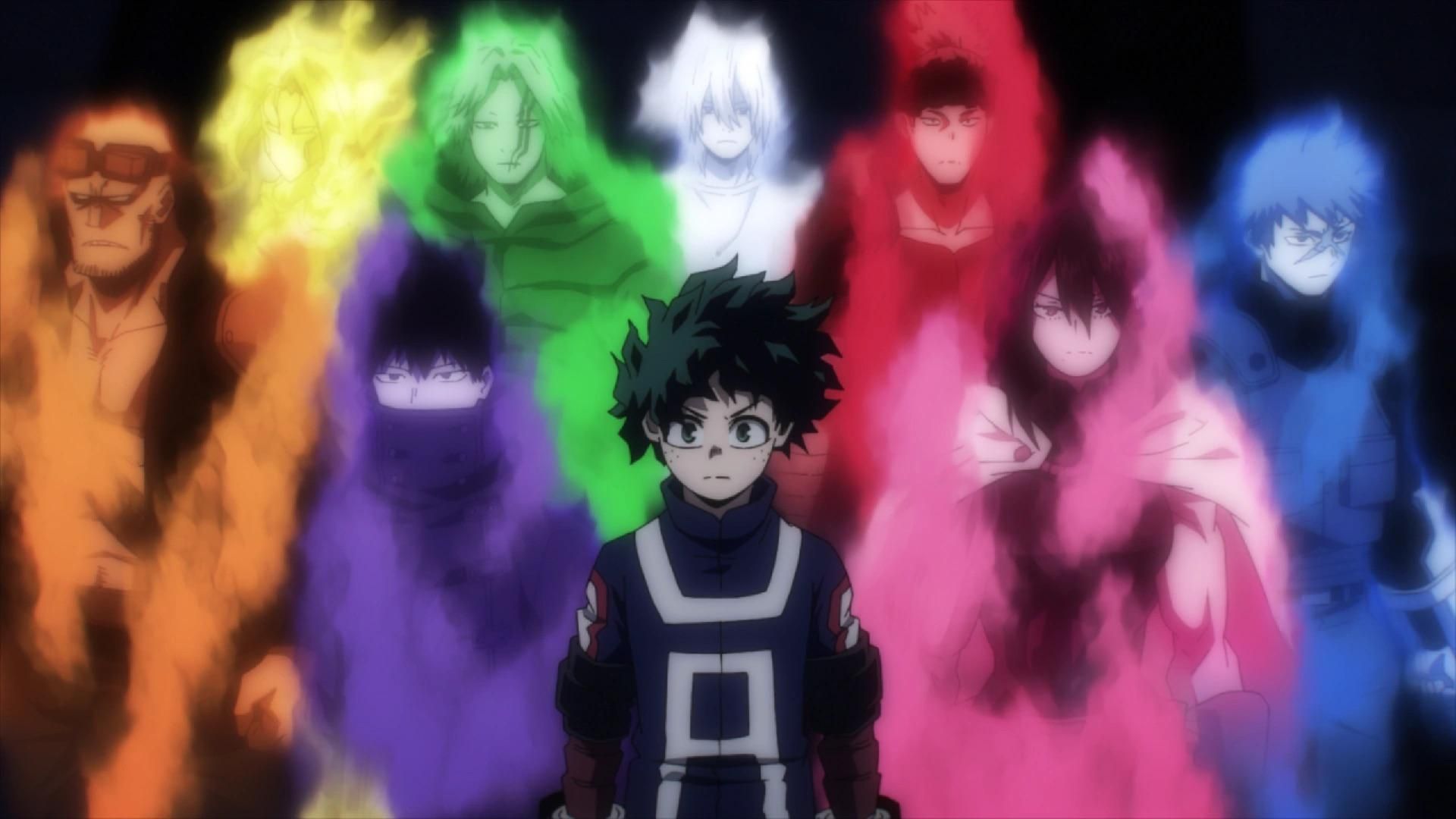
One For All passed through eight users before Deku, making him the ninth and final user. Each one added something, and each one's death or sacrifice became part of what the quirk carried forward.
Yoichi Shigaraki, the first user, is the origin point. He couldn't use the power effectively in his fragile body, but he survived long enough to pass it to the resistance fighters who freed him. He was killed by his brother before he could do more. His consciousness remained in the quirk, and his final confrontation with All For One at the end of the series is the emotional climax of the story.
Toshitsugu Kudo and Bruce, the second and third users, were resistance leaders who freed Yoichi. So little information survived about them that All Might couldn't find records of who they were. Kudo's quirk was Gearshift, and Bruce's quirk was Fa Jin. They passed OFA forward through the underground resistance All For One spent decades trying to stamp out.
Hikage Shinomori, the fourth user, took OFA and spent years hiding from All For One, carefully observing and studying the villain without fighting him directly. His quirk was Danger Sense. He died at forty, his body worn down by the burden of holding One For All on top of his original quirk.
Daigoro Banjo, the fifth user, was the first to give Deku direct guidance through the vestige world. His quirk was Blackwhip, the first of the additional quirks Deku unlocked. Straightforward and warm, he was the first predecessor to have a direct impact on Deku.
En, the sixth user, had the quirk Smokescreen. He appears less often than some of the other vestiges, but his quirk becomes one of Deku's most useful tactical tools.
Nana Shimura, the seventh user, is one of the most important predecessors, and she chose to give OFA to All Might. Her quirk was Float. Her grandson is Tomura Shigaraki. AFO deliberately found and shaped Nana's grandson as a weapon against everything she stood for.
Toshinori Yagi, also known as All Might, was the eighth user. He held OFA for forty years, longer than anyone else. He was the first quirkless user after Yoichi, which meant his body could accommodate the power without breaking down from the quirk-factor overload that damaged previous users. He became the Symbol of Peace, defeated AFO in battle once, and passed OFA to Deku after recognizing in him the same quirkless earnestness that had defined All Might himself.
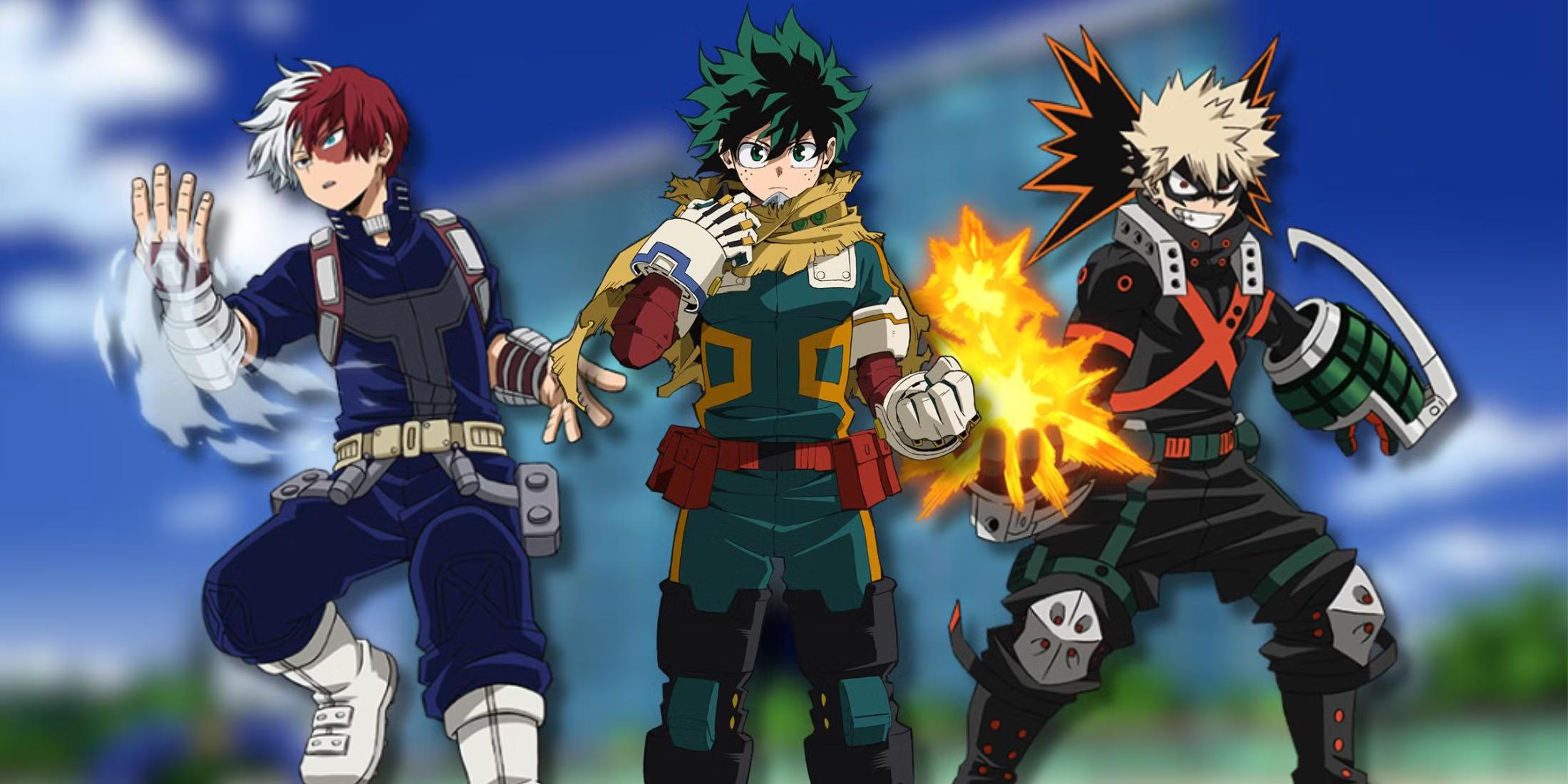
Izuku Midoriya, the ninth and final user, was born quirkless and was chosen because he behaved like a hero before he had any power at all. Over the course of the series, he unlocks all the previous users' quirks, integrates their perspectives, and becomes something different from all of his predecessors. Not just a carrier of the torch, but the person who finally ends the fire that was set when two brothers were born at the beginning of everything.
The arc of these nine people is the arc of the series itself. OFA doesn't just transfer power. It transfers intention. Everyone who held it understood what they were holding and why it mattered, and every one of them made major sacrifices because they believed the thing they were carrying was worth dying for. They were, in every sense of the word, a succession of heroes.
Quiz: Which MHA Character are you?
Now that you know the significance of One For All, find out which character's traits and personality most closely match your own.
Take the MHA Character Quiz →All For One's Real Relationship with One For All
The most common interpreation of All For One is that he's a power-hungry villain who wants OFA because it's the one thing he can't have. That's not wrong, but it misses one of the key points that Horikoshi is trying to make.
All For One's relationship to OFA is personal in a way that has nothing to do with power. To AFO, OFA is Yoichi. It carries Yoichi's will, Yoichi's consciousness, and Yoichi's resistance. Every OFA user is, in a meaningful sense, a continuation of his brother's defiance. AFO didn't spend centuries trying to steal OFA because it's a powerful quirk. He spent centuries trying to steal it because it's the only part of his brother he couldn't possess.
Underneath it all is a man who struggled to connect with others through anything other than domination, and who couldn't let go of his brother, the one person he could never truly have.
In the final battle, when Yoichi's vestige confronts AFO one last time, AFO breaks down. He tells Yoichi he can't do this without him. He admits that without his brother, there's no point to any of it. All the power, all the centuries, all the quirks, none of it was the point. The point was Yoichi, and Yoichi spent his entire existence, including the existence that continued through the quirk after his death, refusing to be what AFO needed him to be.
This is why Deku's final words to AFO, calling him a lonely man, land so well. The series frames this as Deku's insight into the villain's psyche, but it's also the thesis of the whole story. Power hoarded is power wasted. The accumulation that AFO spent centuries building was always in service of something he could never achieve by force, which was genuine connection with the one person he cared about.
The Philosophy Underneath the Power System
The collectivism vs. individualism framing of MHA is clearest when you look at these two quirks side by side.
All For One represents the extreme of individualism as a philosophy: all resources concentrated in one person, all power serving one will, all others existing to support or be dominated by that center. AFO built an empire under this philosophy, and he very nearly won. The philosophy works as long as you're willing to accept its premise that the most powerful person deserves to hold everything.
One For All represents the counter-argument: power accumulated collectively, passed deliberately to people chosen for their character rather than their strength. This power grows stronger precisely because it distributes across people rather than concentrating in one. OFA doesn't work without trust. Every transfer is a choice by the current bearer, and it is trust placed in the future bearer. The quirk physically cannot be weaponized the way AFO weaponizes everything because its core mechanic requires the bearer's will.
The series ultimately argues not that AFO's philosophy fails because it's evil, but that it fails because it's lonely. You can dominate everyone and find yourself at the end of your life screaming for the one person who wouldn't submit to you. OFA's power is smaller in any individual moment but compounds across generations because it creates genuine relationships. Each user passes on not just power but memory, intention, and solidarity. Deku doesn't fight his final battle alone. He fights it with nine people at his side.
Why Deku Being Quirkless Matters
The series goes out of its way to establish that quirkless people are better vessels for OFA.
Most quirked people who receive OFA hold two quirk factors simultaneously: their original quirk and OFA. The strain of this combination shortens their lifespan dramatically. Quirkless people like All Might and Deku are empty vessels. There's nothing competing with OFA at the quirk factor level, which creates a stable environment.
But Horikoshi has also made sure we understand this thematically, not just mechanically. Quirkless people in MHA's world have been told their whole lives that they have nothing to offer. They live in a society that sorts people by their abilities and finds quirkless people insufficient. All Might's entire career was built on the irony that the Symbol of Peace, the peak of heroism, was born without power.
Deku's arc allows us to see this same irony in action, as we can see the quirk that represents the peak of heroism finds its best vessel in someone the world has decided is worth nothing. OFA's repeated success with quirkless users is the series saying, clearly, that the foundation of genuine heroism isn't what you were given. It's who you chose to be even when you had nothing.
The Final Confrontation and Resolution
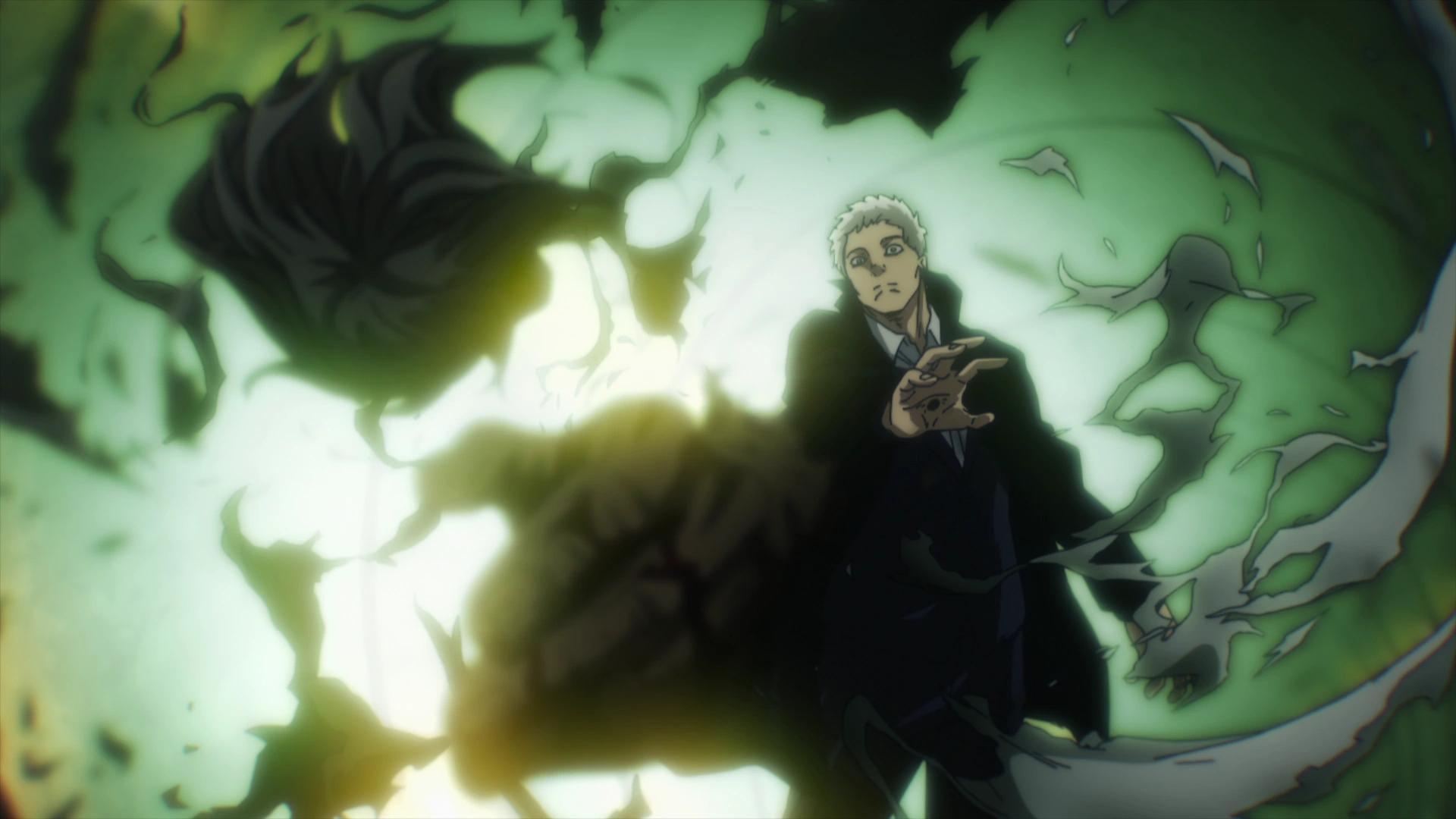
The end of My Hero Academia brings the conflict home in ways that earn everything the series spent its runtime building.
Deku, in the final battle, makes a choice that mirrors and inverts the original act that created OFA. Rather than OFA being given willingly to a worthy successor, Deku forcibly transfers the remnants of OFA into Tomura, AFO's vessel, AFO's successor, and the person AFO shaped from childhood as a weapon against everything OFA represented. This act destroys OFA as a functional quirk.
In the vestige world, this transfer triggers the moment the whole series was working toward. Yoichi's consciousness, the fragment that had persisted through nine generations of carriers, confronts his brother one final time. AFO, stripped of the Demon Lord performance, just wants his brother back. He says he's nothing without Yoichi. He begs him not to disappear.
Yoichi's response is grief rather than triumph. He is sorrowful that he could not guide his older brother, All For One, onto a different path. The scene is not a victorious one. It's an elegy for what could have been if two brothers had made different choices at the beginning of everything.
Deku's final words to the villain, calling him a lonely man, are the last piece. AFO spent centuries as the most powerful force in the world and died as the most isolated. OFA spent centuries passing between people who chose to sacrifice themselves for something larger than themselves, and ended with a young man surrounded by everyone who chose to stand with him.
The quirks didn't just represent opposing philosophies. They actually lived those philosophies out across generations, and the series ends by showing you exactly what each philosophy produces when carried to its conclusion.
What This Means for the Series
Once you understand OFA and AFO properly, the rest of the series clicks into place.
Tomura Shigaraki's arc is AFO's philosophy consuming its own host. AFO shaped Tomura specifically to be a vessel, a successor who could inherit both the quirk and the mission. But Tomura was always a person, not a container, and the series spends its entire second half asking whether that personhood can survive what AFO did to it.
All Might's entire character is the weight of being the Symbol of Peace. It's the role that OFA's philosophy created, but it is also one that no individual should have to carry alone. The hero system All Might sustained worked because people believed in it, but that belief was concentrated in one person. That made it fragile in a way that mirrors AFO's empire more than society wanted to admit.
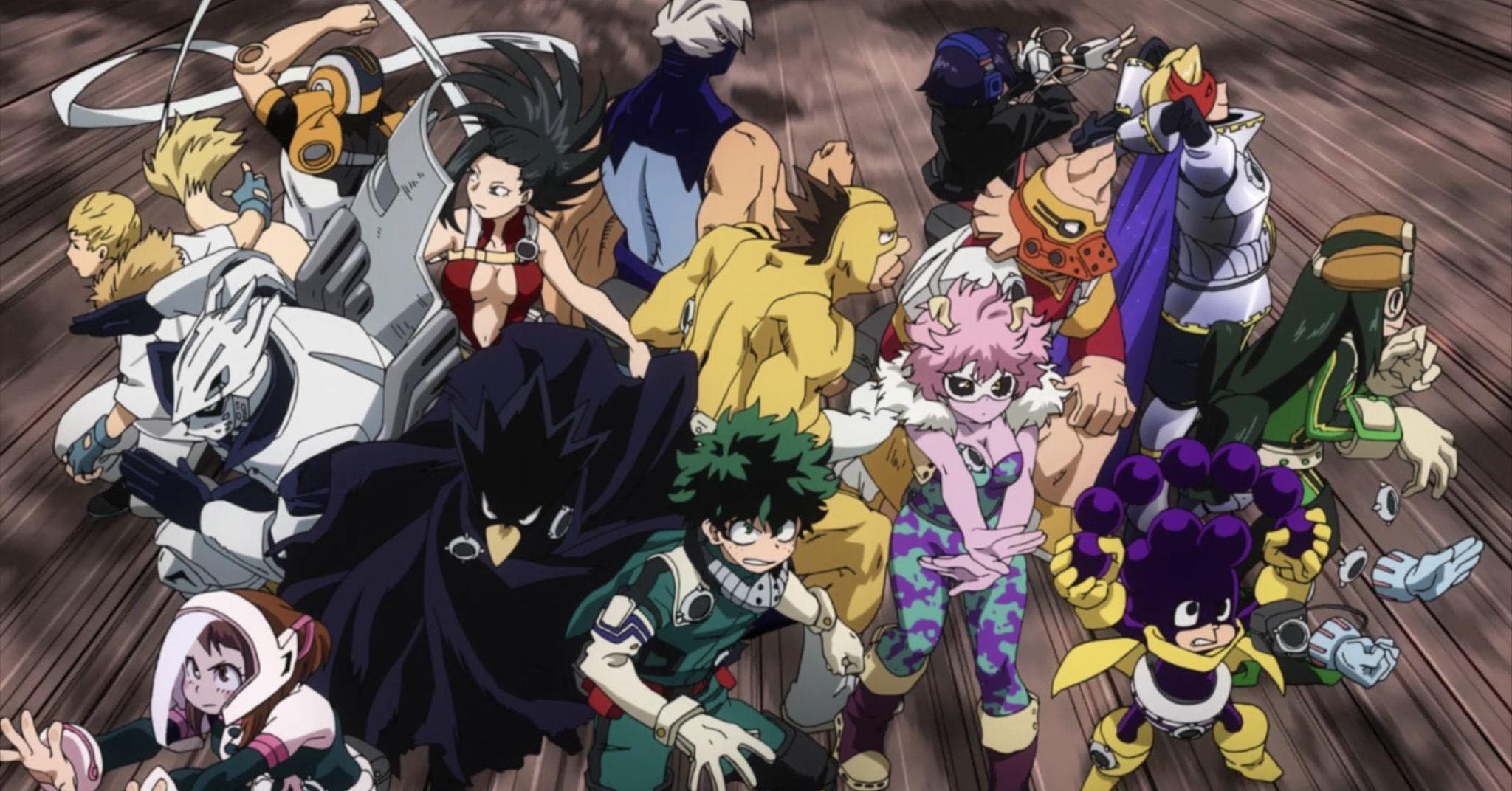
Deku's class represents something genuinely new. It's the first generation of heroes building a future together rather than a single symbolic figure carrying it all. The ending of the series isn't Deku as the new All Might, and it was never supposed to be that. It's the idea that the Symbol of Peace as a concept needed to die so that something more durable could exist in its place.
OFA ends with Deku, and the quirk's power fades. But the series closes with him still being a hero, still working, still surrounded by people who grew alongside him. The quirk is gone, but the legacy that it built lives on. That's the point Horikoshi was making the whole time.