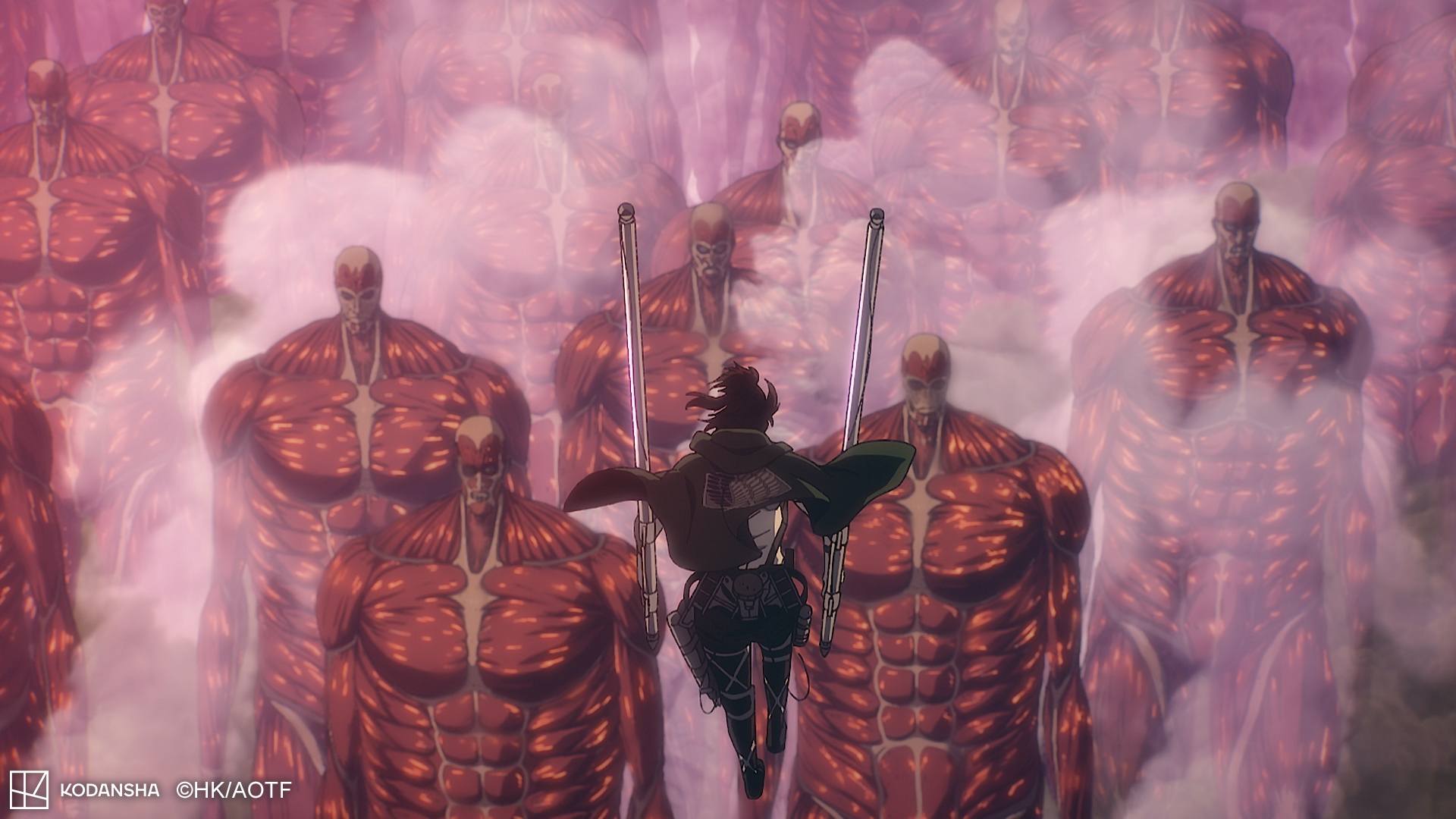

Attack on Titan is one of the most highly recommended anime of the last decade, but if you still haven't gotten around to watching it, you're not alone.
When something gets hyped up as the greatest anime ever made, you have to wonder how it can possibly live up to its own reputation. Add in a controversial ending, cycles of brutal violence, and nearly 90 episodes' worth of commitment, and it's easy to understand why some people are still on the fence.
If you're not sure if you're ready to get into Attack on Titan, this article will help you decide if it's right for you. Plus, as someone who's watched the entire series as well as many other modern anime, including Demon Slayer, My Hero Academia, Jujutsu Kaisen, and others, I'll walk through how well it stacks up in the modern landscape.
Note: this article is light on spoilers, but, in order to clearly determine whether or not AOT is the right show for you, we need to touch on the themes of the show and several points of controversy. This article will not spoil any specific plot points for you.
Short Answer: Is Attack on Titan worth watching?
Without burying the lead, yes, for most anime fans, Attack on Titan is worth watching. It's one of the most ambitious anime ever made, and it delivers emotional payoffs and epic fight scenes in equal measure. But it also has its share of flaws and certain aspects that polarize viewers.
Attack on Titan is not a typical shonen. It doesn't have power levels, training arcs, or a hero who wins through the strength of his convictions. It's a story about cycles of violence, the cost of freedom, and the morally ambiguous things people do when survival is on the line. These are heavy themes, and, though AOT handles them well, they can make the show feel challenging in ways that many other anime don't.
To help you figure out if AOT will be a good watch for you specifically, we'll go through some of the flaws and more polarizing aspects of it below.
The Start Is Rough
The first three or four episodes of Attack on Titan are not representative of what the show becomes. In fact, it could be argued that they are the weakest episodes in the show, which gives AOT a "worst foot forward" problem.
The early animation is inconsistent, Eren is loud and one-note, and the pacing hasn't found its rhythm yet. If you started watching and had trouble getting into it, this could be the reason. However, after these first few episodes, the show finds its footing. The mystery deepens, the characters develop into people worth caring about, and the action becomes more than just a spectacle. The stakes start to feel real in a way that makes you care.
Give this show until at least the second half of the first season. If you're not feeling it by then, then it probably isn't for you. But if you're on the fence by the end of season 1, know that Season 2 is very well done and well-paced. That's when a lot of fans truly get hooked.
Attack on Titan is Dark. Really Dark.
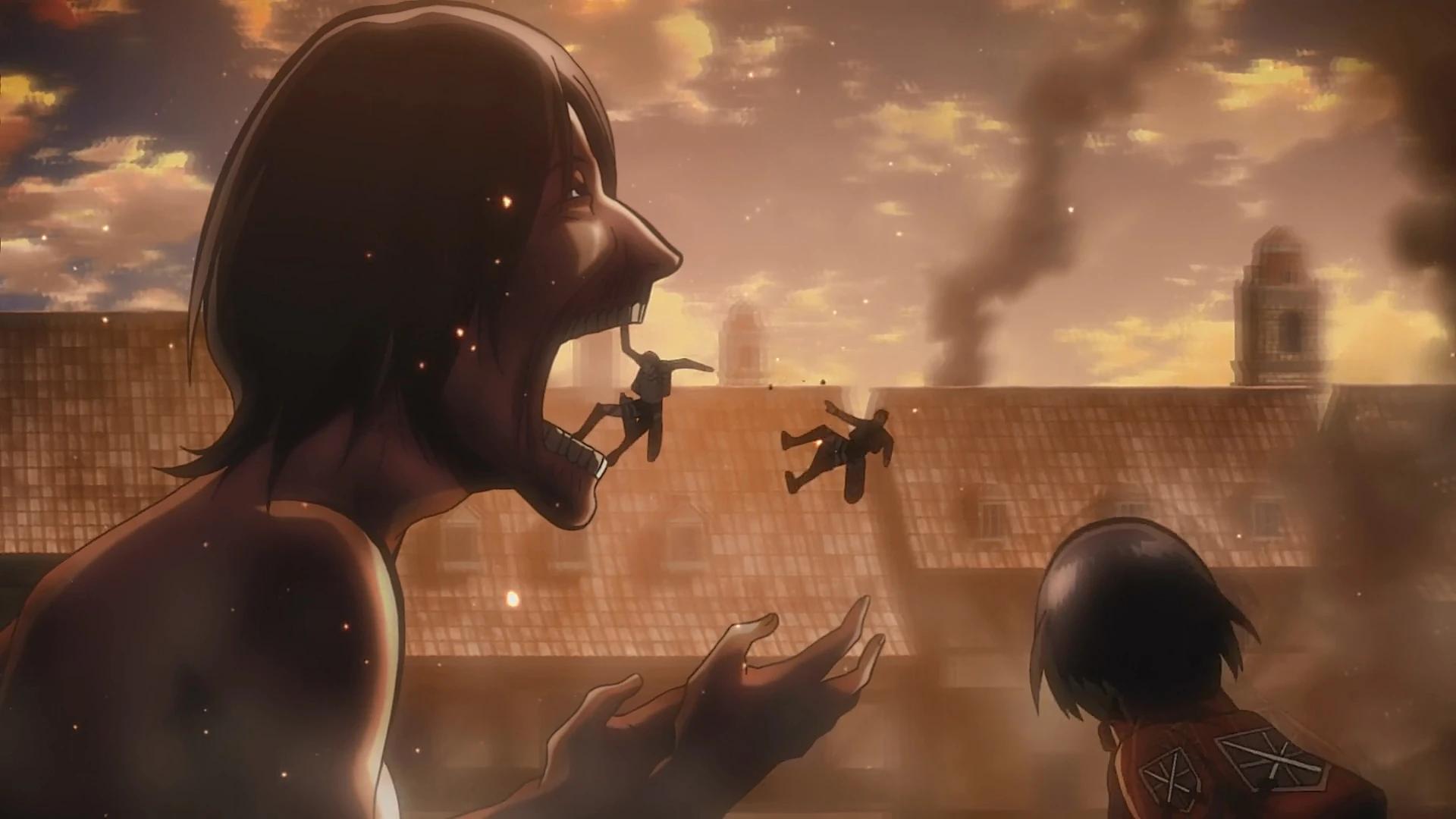
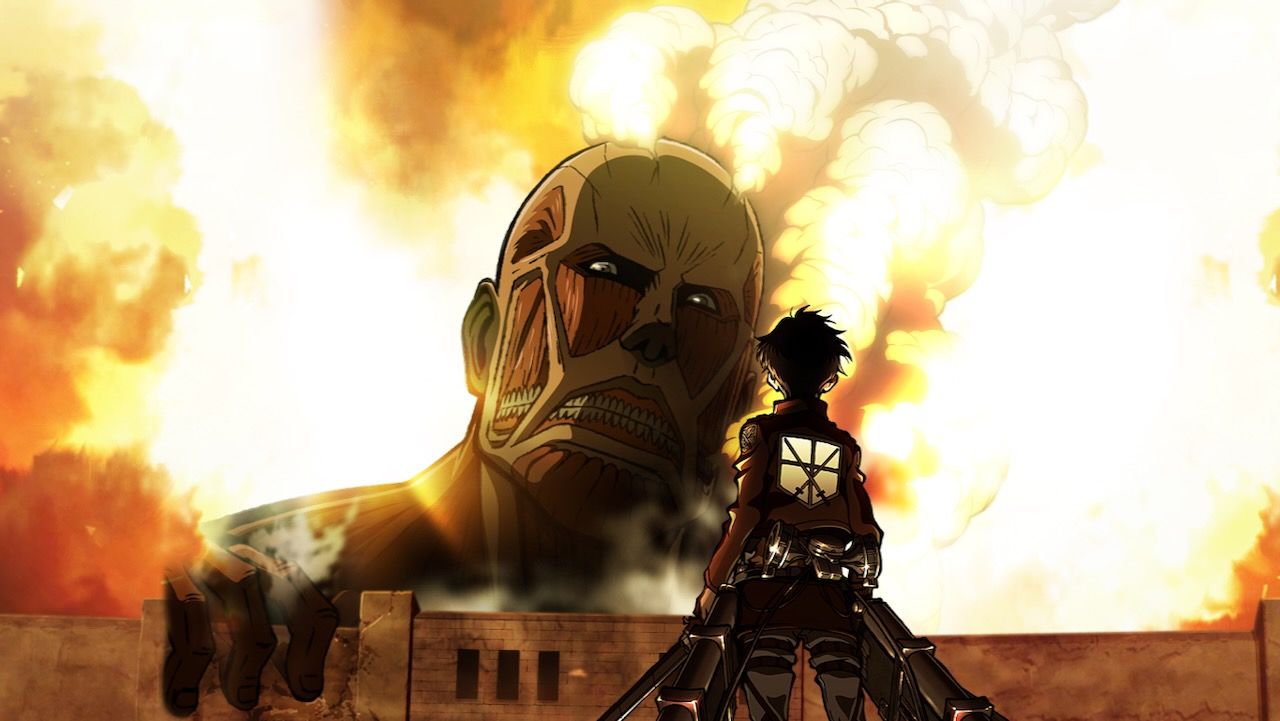
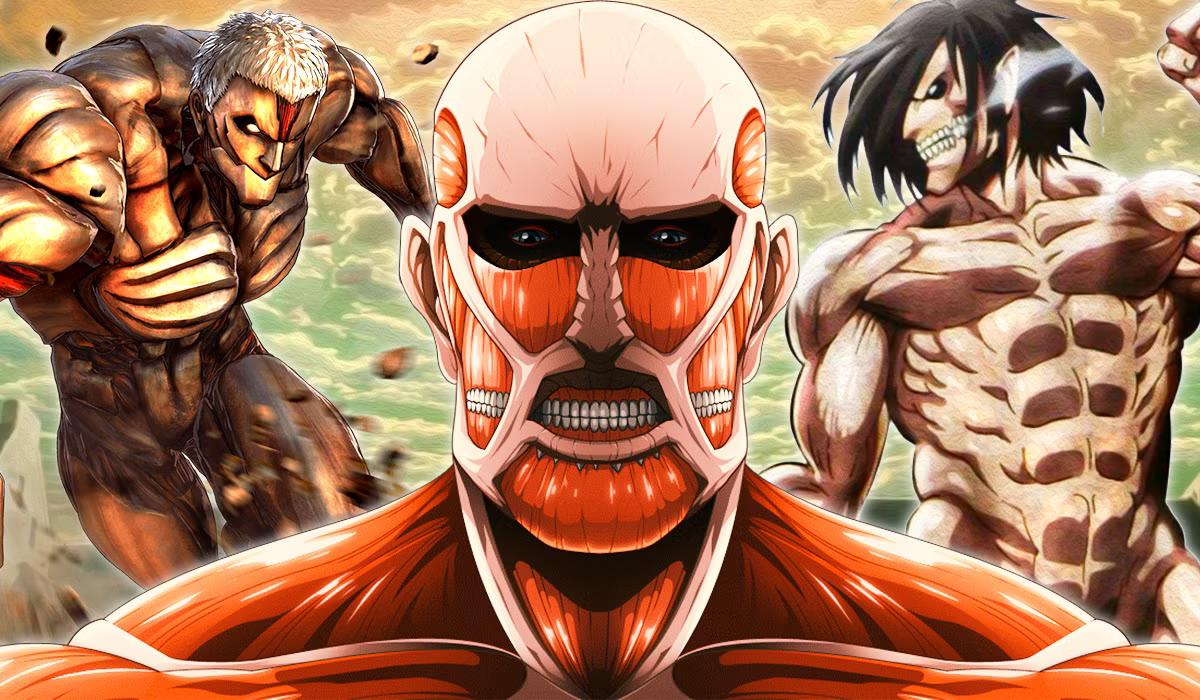
Attack on Titan has a mature rating for good reason. Characters die without warning, and the threat of violence is real and constant. You could fairly compare it to Game of Thrones in that sense, and this is exactly what you should expect when there are skyscraper-sized Titans walking around in the world.
But the violence isn't gratuitous for its own sake. Rather, it's the mechanism by which the show makes its point. You can't tell a story about cycles of vengeance, the cost of war, and the price of freedom without explicitly showing the consequences.
The show is also emotionally demanding in ways that go beyond violence. It doesn't allow you to be a passive viewer and accept "oh these are the good guys, and those are the bad guys". It forces you to empathize with characters you may not want to and perhaps to even distance yourself from characters you thought you liked.
Furthermore, the themes can be heavy, political, and purposefully messy. You're going to come face to face with fascism, cycles of historical oppression, and the question of whether freedom can exist without someone else paying the price.
If you're looking for a show where the heroes win and the moral calculus is simple, Attack on Titan is not that show. If you want something that challenges you in a way that feels meaningful (and rewards you for putting in the time), it's one of the few anime that delivers on that promise.
The Ending is Controversial
You've probably heard that the ending of AOT is controversial. Isayama himself has publicly expressed mixed feelings about how the story concluded. At the Attack on Titan museum in Japan, he wrote that he felt "tied down" to a vision he had when he was younger, and that this left what he described as a "sense of insincerity" in the story's conclusion. At Anime NYC, he told the crowd he still wasn't sure the ending landed right.
Without going into spoilers, the core fan complaint is that one of the show's final arcs feels like it ends in a place that is inconsistent with where it started many seasons earlier. However, this is more of a "they didn't fully stick the landing" complaint rather than a "the ending is completely wrong" complaint.
Without jumping on the hype train, it's fair to say that, while the ending is flawed, it doesn't undo what the show built. The themes of the series (that violence begets violence, that no ideology justifies mass death, and how the pursuit of freedom can become destructive) come through clearly regardless, and the journey itself feels earned.
This isn't a Lost or Game of Thrones situation. It is clear that the ending was purposefully planned out and ends the show in a cohesive spot. It just means the show ended on a lower note than it deserved.
Comparison to Modern Anime
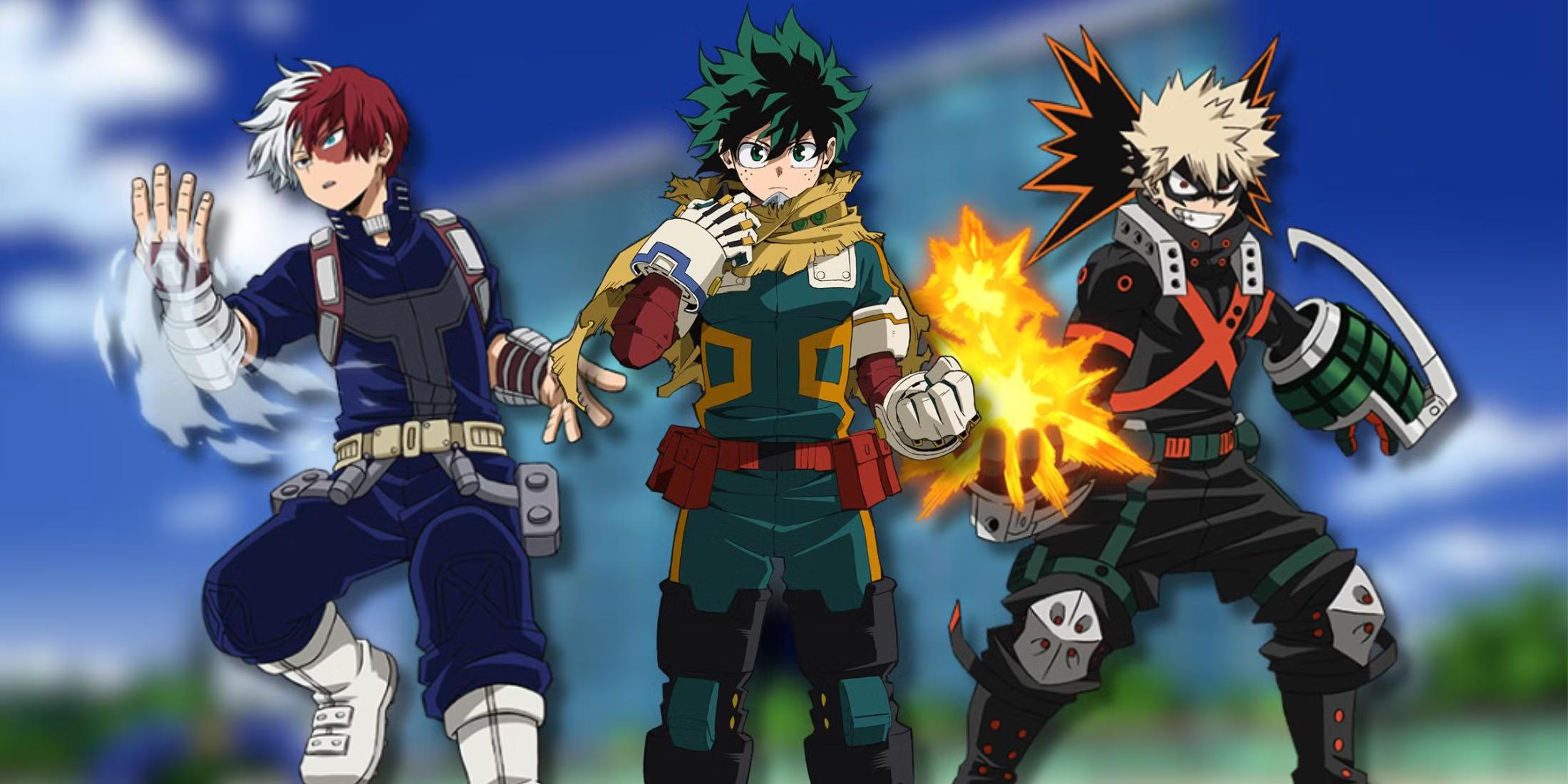
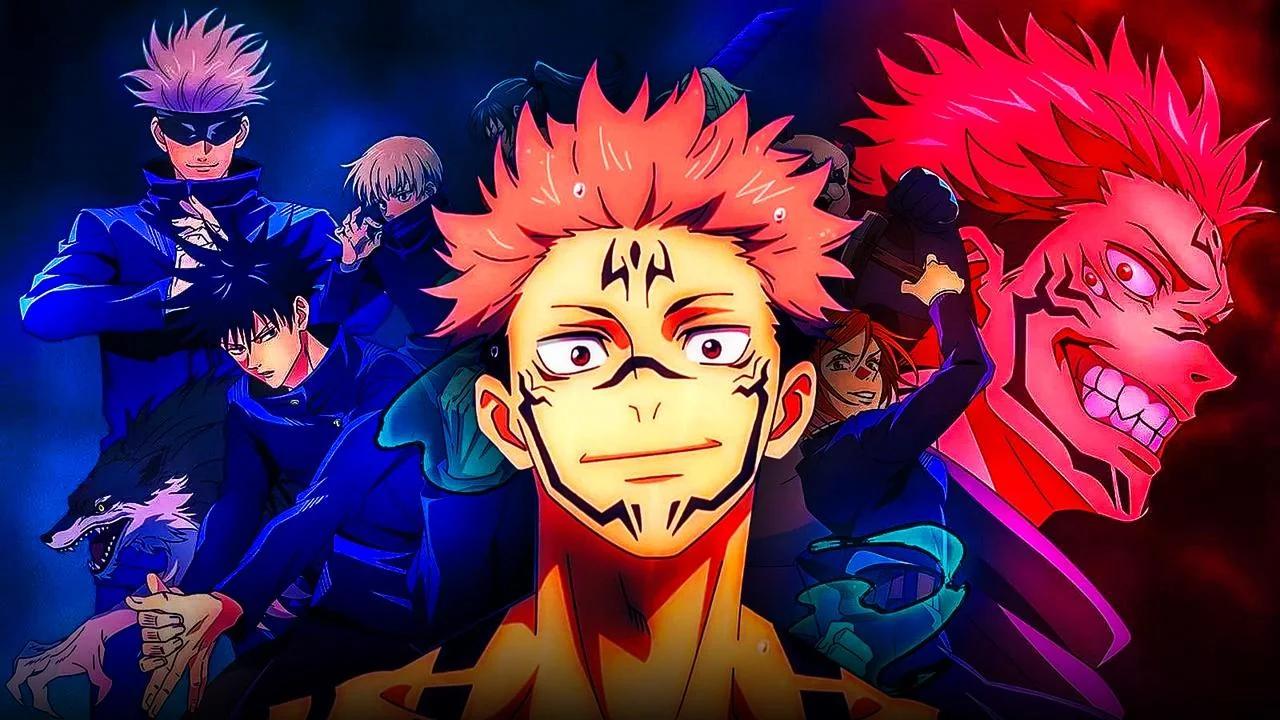
One of the oddities about Attack on Titan is that it has a very different feel from other modern anime. Series like My Hero Academia, Jujutsu Kaisen, and Demon Slayer are all excellent shows, but they share a certain DNA. They're fast-paced, visually driven, with a focus on training and power scaling. They have a specific kind of energy that feels native to anime.
Attack on Titan feels like something else. It has more in common with prestige TV drama than with any of them. Its closest comparison is a show like Game of Thrones, where no character is safe, consequences are permanent, and the story is willing to implicate its own heroes. The emotional stakes are a lot higher.
This actually makes it one of the most accessible entry points for people who don't normally watch anime. If you've bounced off other anime series because they felt too genre-specific or too disconnected from the kind of storytelling you're used to in live-action TV, Attack on Titan is worth trying before you write the medium off. It was a lot of people's first anime for exactly this reason. It doesn't ask you to already love anime. It just asks you to enjoy good television.
The Verdict: Should you Watch Attack on Titan?
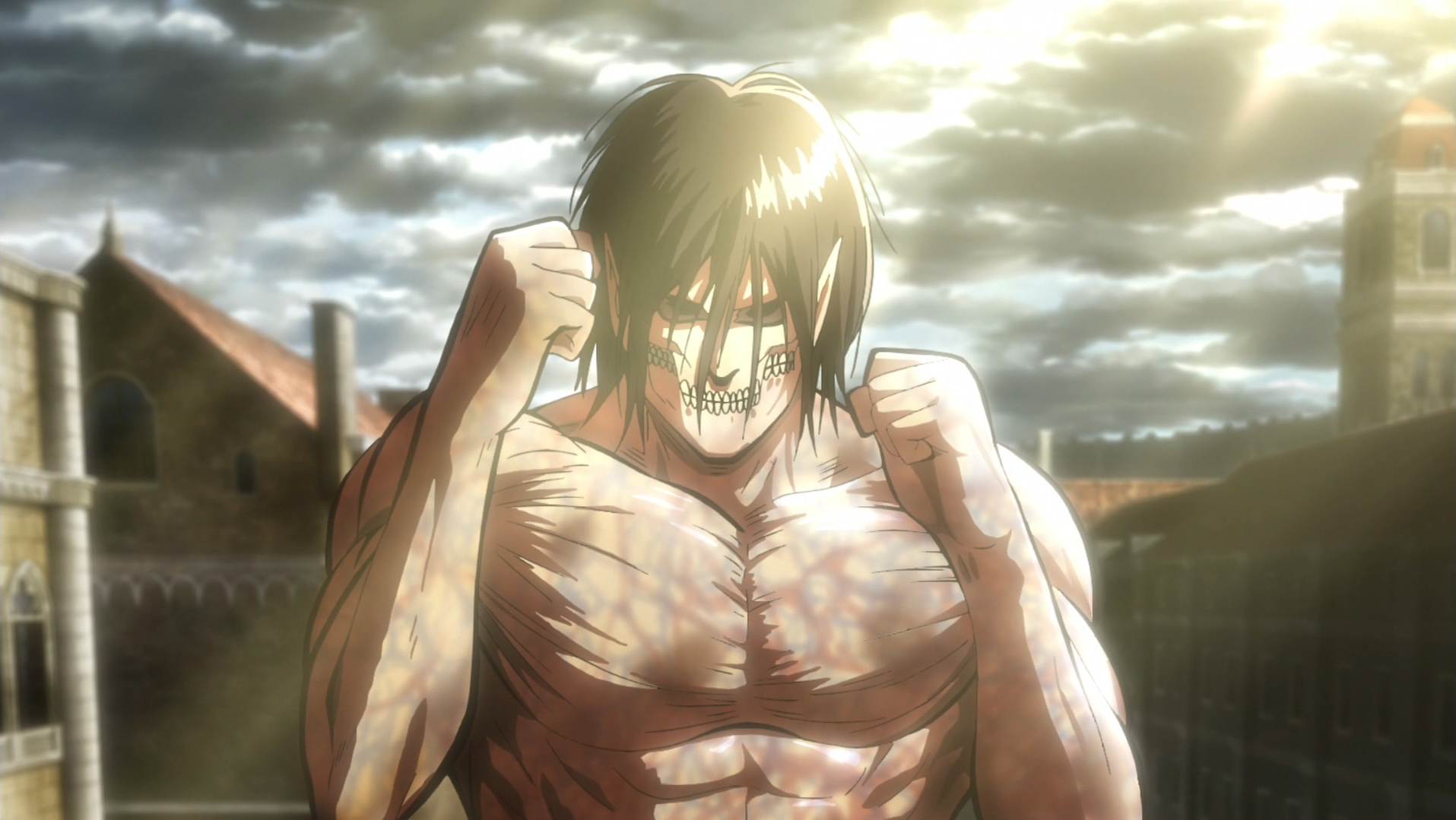
Attack on Titan is worth watching. Don't expect it to live up to the hype of best anime ever, but it can fairly be called one of the best anime ever.
Whether or not you should watch it comes down to a few questions:
- Can you get past a slow start (about 2 hours) before it really gets going?
- Are you okay with graphic violence, dark storytelling, and heavy themes?
- Are you willing to commit knowing that the ending is imperfect?
If your answer is at least "I think so" to each of these questions, then give it a try. And if you're feeling at least 50/50 about it by the time you reach the end of Season 1, give Season 2 a chance to fully hook you. If it doesn't, then that's probably where you should stop.
If you're ready to watch Attack on Titan, use my Attack on Titan Watch Order guide to build your own watch list and know how to navigate the ordering of the seasons, movies, and OVAs.
Bonus: Want to Experience Attack on Titan as a game?
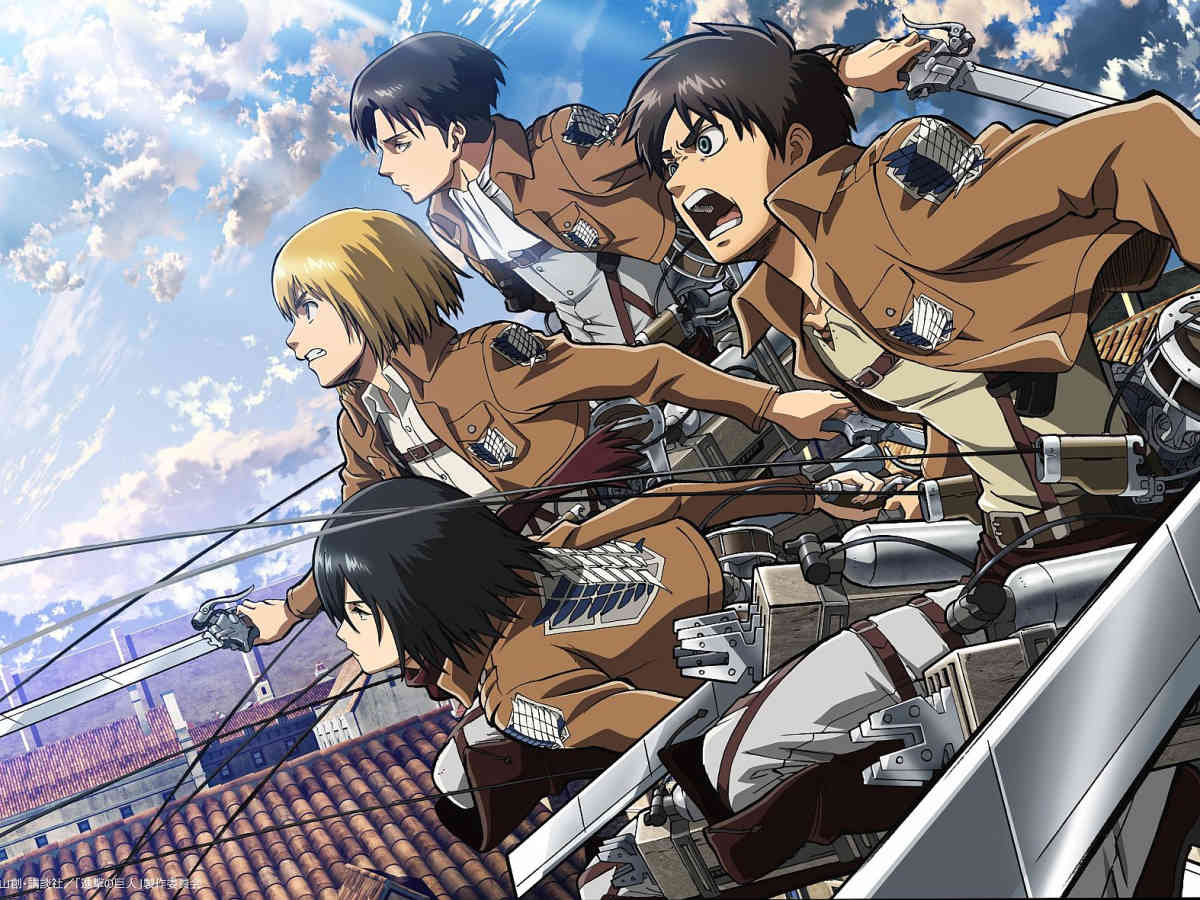
If watching the ODM-gear fights in Attack on Titan makes you want to get into action yourself, Attack on Titan: Wings of Freedom is a surprisingly good video game adaptation. It's based on the show's first season, so it won't spoil anything beyond that season (except for some minor Season 2 spoilers in the epilogue missions). For more info, check out Gameaton's review of AOT: Wings of Freedom. Gameaton also recommends and compares similar games based on the kinds of experiences you’re looking for.