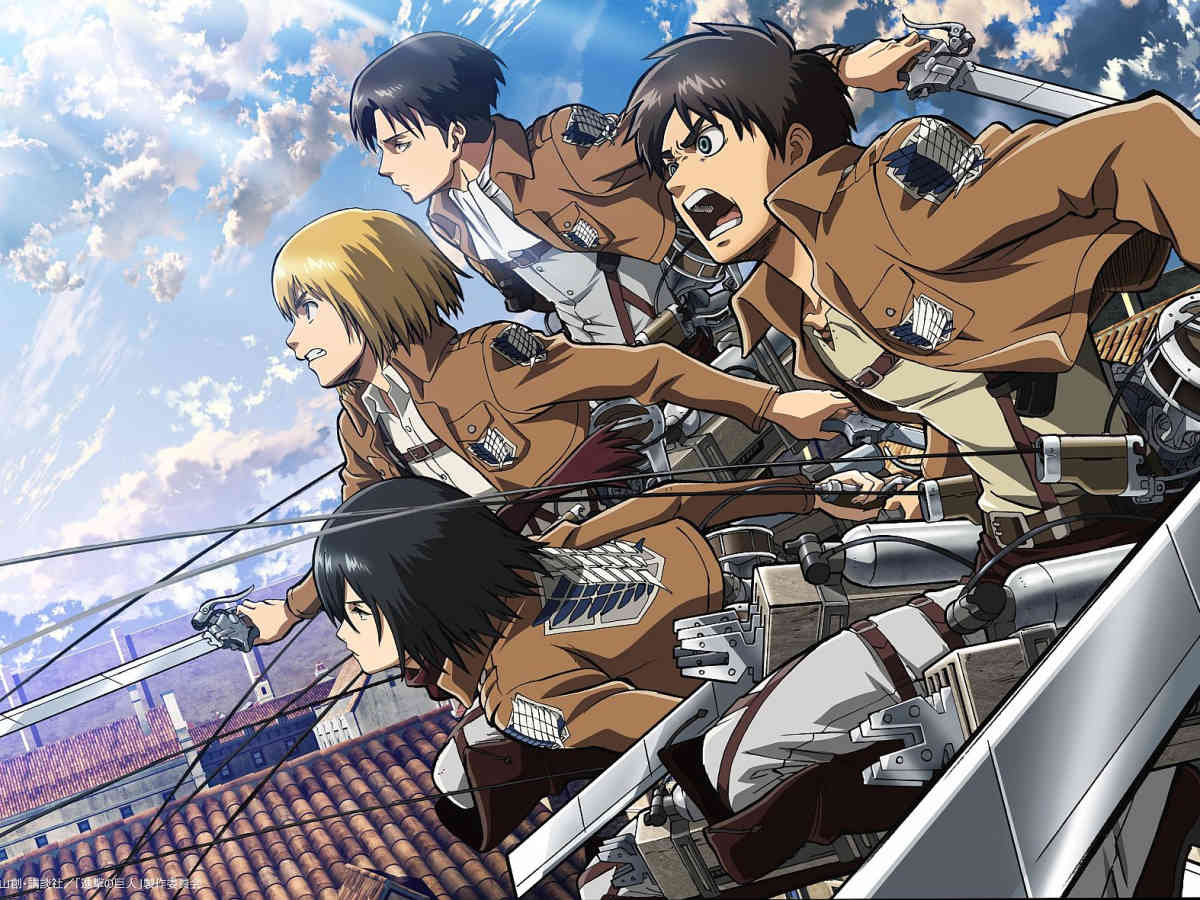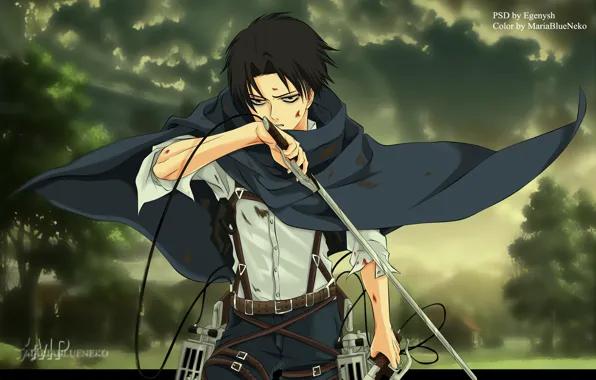

Levi Ackerman is not the protagonist of Attack on Titan. The central mystery of the show doesn't revolve around him, and he doesn't drive the plot. And yet he is, by almost every measure, the most beloved character in the series and in fact one of the most popular anime characters ever made.
On ranking.net's current all-time anime character ranking, he sits third overall, just behind Gojo and Toge from Jujutsu Kaisen. Levi's fanbase is enormous, fiercely protective, and spans well beyond the typical anime audience. Even Isayama seems to have been surprised by the intensity of Levi’s appeal, especially among female fans.
So what is it? Sure, he's got that "cold exterior / warm interior" vibe going on, but that doesn't explain all the love he gets. Plenty of anime characters feel like they're baked from the same mold as Levi, and yet they fall flat by comparison.
In this article, I'll break down exactly what makes Levi so intriguing and why even the most valid criticisms of him don't take away his allure.
⚠️ Spoiler warning: This article contains major spoilers for all seasons of Attack on Titan, including the Final Season and the No Regrets OVA. If you haven't finished the series, stop here. Refer to my Attack on Titan Watch Order guide to experience the series in the best viewing order.
Levi's Competence is Unmatched
Attack on Titan is designed to make you feel like nobody is safe. Main characters die without warning, and it feels dangerous to get attached to anyone or anything. In that context, Levi stands out as something rare: a character whose outcome in a fight is never seriously in doubt.
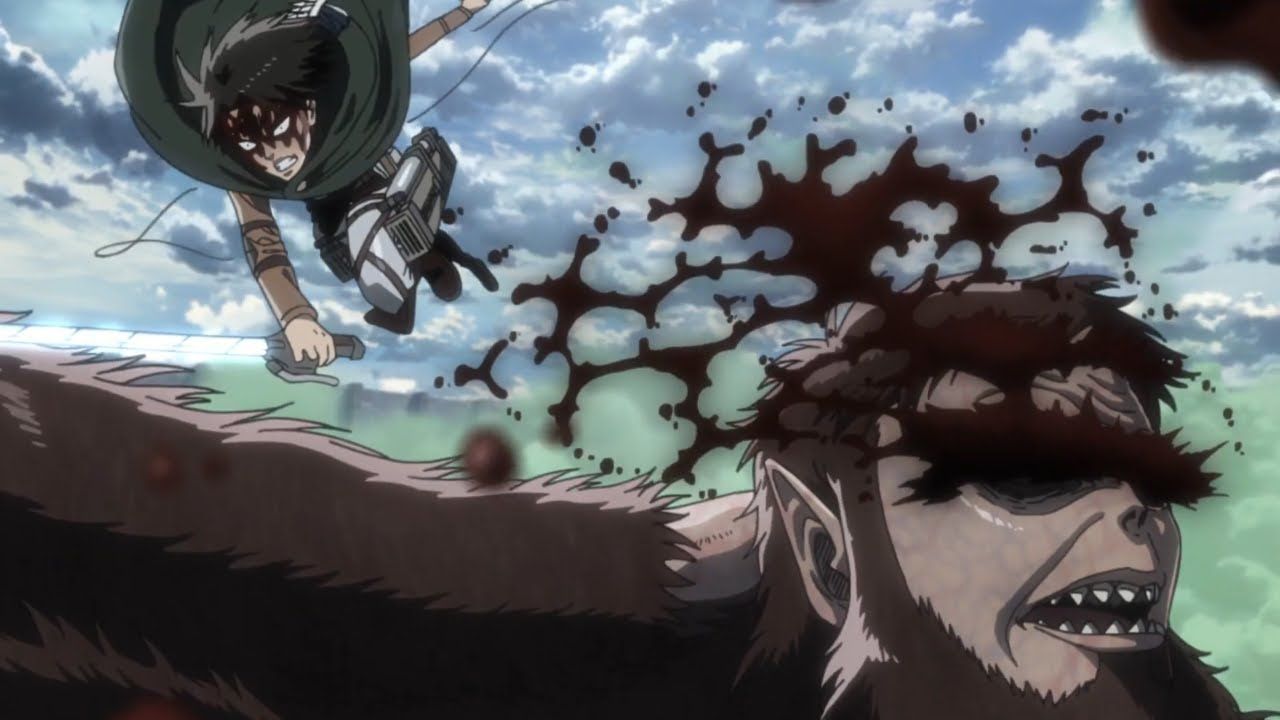
He is, by the show's own framing, humanity's strongest soldier. The show goes out of its way to demonstrate this repeatedly, and the demonstrations are always convincing. Consider his fight against the Female Titan, the Kenny squad sequence in Season 3, and his solo assault on the Beast Titan during the Shiganshina battle (not coincidentally one of the most technically impressive action sequences in the series).
Every time Levi fights, the choreography is designed to make him look like he stands in a class of his own. No other character moves the way he does. For a show that otherwise refuses to give the audience anything stable, this aura of competence matters. Levi is the one thing fans can hold onto. He's the anchor the narrative deploys when everything else is falling apart, and the relief of seeing him show up never quite goes away.
His Backstory is Character Work Done Right
Levi's competence would feel unearned without the setup we're given in No Regrets. The OVA establishes where Levi comes from: born in the Underground to a mother who died before he knew her well, raised by Kenny Ackerman (who taught him to survive and then left), and scraping together a life in the worst conditions the AOT world has to offer.
He didn't want to join the Survey Corps. Erwin essentially coerced him into it. His transformation from someone who entered the Survey Corps while plotting to assassinate Erwin to someone who would follow him into any situation is one of the most compelling arcs in the show, and it happens almost entirely offscreen, implied through behavior rather than exposition.
That's a key detail. Levi never explains himself. He doesn't deliver grandiose speeches about why he fights or what his losses mean to him. He's the perfect example of "show, don't tell". His decisions reveal who he is, and the show never beats us over the head with his convictions. It lets his actions speak for themselves.
That matters because Levi’s later restraint, loyalty, and refusal to collapse under grief don't just come from nowhere. We can see very clearly that they grew out of a life where survival was never guaranteed and attachment was always dangerous.
The Warm Interior / Cold Exterior Archetype

Levi is an example of the "warm interior / cold exterior" archetype. We see examples of this archetype in almost every modern anime, but it fails when the character softens episode by episode until the edge disappears entirely. Levi never fully softens. Even in his most compassionate moments, he doesn't become warm in the conventional sense. You're required to understand what he means without him actually spelling it out.
One of the best examples is the aftermath of Petra’s death. Levi never breaks down onscreen. Instead, the show gives us smaller, quieter gestures: his pause beside her body, the moment during the retreat when he takes a fallen soldier’s Survey Corps patch (widely understood to be Petra’s), and his silent encounter with Petra’s father, who proudly speaks about her future before he knows she is gone.
There's also his crude, dry humor. It's more present in the manga than the anime, but it's evident in both. His deadpan sarcasm in tense situations functions the same way as his compassion: it's a glimpse behind a curtain you can never fully see past. The jokes land because you know how rarely he makes them, and this is again a case of "show, don't tell" working strongly in Levi's favor.
Levi's Relationship with Erwin
No single element of Levi's character resonates more deeply with fans than his relationship with Erwin Smith, and the decision he's forced to make at Shiganshina is the clearest expression of who Levi actually is.
When the injection that could save either Armin or Erwin becomes available, Levi chooses Armin. On the surface, it looks like a betrayal of the loyalty that has defined his entire arc. But the more compelling reading (and the one most fans agree on) is very different. Levi lets Erwin die because he doesn't want to drag him back. He wanted Erwin to finally rest and to be free of the hell they've both lived in for years. It's our quiet hero's version of mercy.
Levi never articulates this reason out loud, and the show trusts that viewers who are paying attention will understand. Perhaps this is another reason why Levi is so beloved. When it comes to his character, the show is willing to trust its audience to understand him without over-explaining him.
Levi never loses a fight. He just loses everything else.
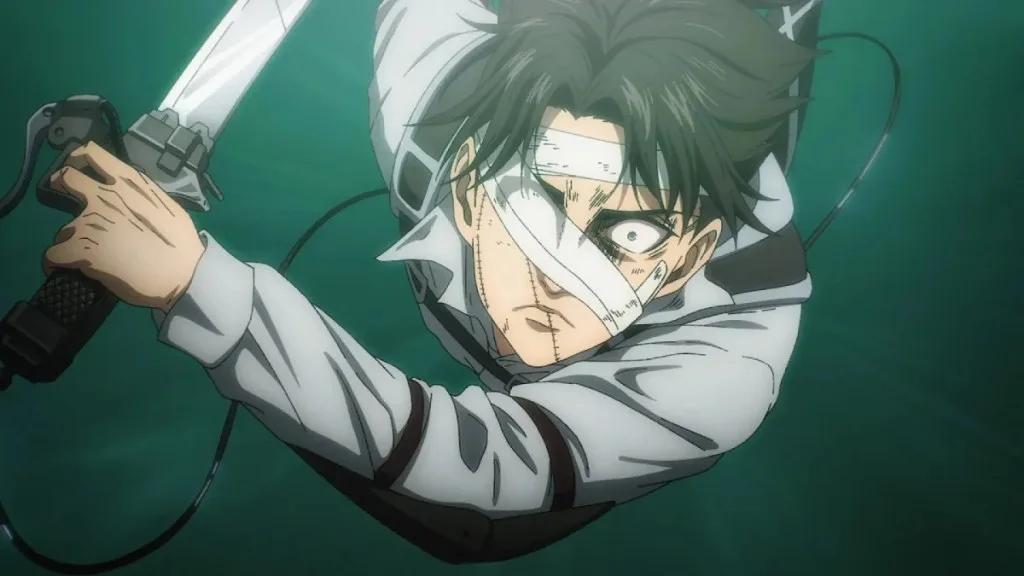
The show never lets Levi lose a fight. But rather than making him boring, this makes him tragic. Instead of taking his life, the show takes so much else from him.
In No Regrets, Isabel and Furlan are killed after following him out of the Underground. His original special operations squad is killed during the Female Titan arc. He loses Petra, Erwin, and Hange in turn. By the Final Season, he's also lost his eye, two fingers, and most of his physical capability.
But Levi keeps fighting. Not because the show gives him a triumphant arc, but because he doesn't know what else to do. There's no version of Levi that stops or gives up. His heroism is simply a refusal to stop no matter how bad things get, and that's a much more relatable form of heroism than most we see in anime.
His status as humanity's strongest soldier paired with his inability to protect so much of what matters most to him makes Levi's story both inspiring and heartbreaking at the same time.
The Counterargument: The Problems with Levi
There is a reasonable argument that Levi is more of an archetype than an actual character. Some critics argue that his competence is fancifully high, his design is engineered to appeal, and that what fans are actually responding to is a power fantasy dressed up in tragic backstory. One CBR writer stated bluntly that he exists primarily to be attractive and angry, that his "cold exterior, warm interior" formula is a well-worn trope, and that his characterization is less layered than fans give him credit for.
This argument does have merit. Levi is, to some degree, a power fantasy. He is deliberately designed to be cool, visually striking, and capable in ways nobody else is. That's quite literally part of the function the show needs him to serve.
But the criticism fails to account for how the show uses him. The archetype argument works when a character's invulnerability is the point. After all, it's boring to watch a character who exists simply to win. But Levi's invulnerability is not the point. It's the premise that makes everything else about him hit so much harder.
Levi is unbeatable in combat specifically so that the show can hurt him in ways that have nothing to do with combat, and the show uses this to reinforce its own arguments about cycles of violence and the price of freedom. Levi may be unbeatable, but he's far from untouchable, and the show makes sure we know that.
Why Levi Outlasted the Protagonist
Eren Yeager is the central character of Attack on Titan. The show is, structurally, his story. And yet Levi is more beloved, more consistently popular, and more likely to be the character that fans point to when explaining why the series matters to them.
This is partly due to the show's ending. Eren's final arc is the most divisive element of the series, and the character fans fell in love with becomes genuinely difficult to reconcile with what he ultimately does. Isayama wanted him to be detestable but couldn't fully commit to it, and the result sits uncomfortably in between.
Levi's arc ends differently. By the end of the show, he's broken, depleted, and has outlived nearly everyone he started with. But his integrity is intact. He never abandoned the core of who he was.
In a series where almost every character is eventually consumed or compromised by the forces the story puts them through, Levi is the one person who comes out the other side still recognizable. He's not just a hot, violent character. He's our thematic anchor in the storm.
And in Attack on Titan's world, that might be the most valuable thing there is.
Wondering what you might have in common with Levi? Take the Attack on Titan Character Quiz to see which character from the series most closely matches your personality.