
Which JJK Villain Are You?
Your cursed technique is optional. Your villain complex is not.
 By Micah Cross
 Jujutsu Kaisen’s villains don’t all want the same thing, which is part of what makes them so compelling. Some chase power without apology, like Sukuna. Some want to reshape the world around a belief they can’t let go of, like Geto or Hanami. And others are driven by curiosity, recognition, loyalty, or the need to prove they can’t be controlled. Whether you’re coldly strategic like Kenjaku, brutally self-reliant like Toji, or just a little too entertained by chaos like Mahito, there’s a villain here that reflects something real inside you.
This quiz goes beyond cursed techniques and fight scenes to get at the instincts driving the villains themselves. It explores how you handle betrayal, authority, resentment, ambition, emotional distance, and all the inconvenient little desirse people don’t always admit out loud. Your result won't just be the JJK villain you find the coolest. It will be the one whose patterns, flaws, and ambitions line up most closely with yours. Take the quiz and find out which Jujutsu Kaisen villain you are.
More Jujutsu Kaisen
Now that you know which villain lives rent-free in your soul, find out which Jujutsu Kaisen character would date you in my Jujutsu Kaisen Boyfriend quiz. Or compare yourself to the personalities and inner worlds of all key characters in my JJK Character Personality Quiz. Finally, to fully steep yourself in JJK lore read my deep dive on the themes and mechanics of the Culling Game.
Frequently asked questions
- Which JJK villains can I get in this quiz?
-
You can get Sukuna, Kenjaku, Mahito, Suguru Geto, Toji Fushiguro, Jogo, Hanami, Dagon, Uraume, or Naoya Zenin. The quiz includes major Jujutsu Kaisen antagonists who represent personality types with very different motives, flaws, and personalities.
- Is this JJK villain quiz based on personality or favorite character?
-
It’s based on personality. Your result comes from how you respond to power, betrayal, authority, ambition, resentment, and control, not which villain you think is coolest.
- What makes JJK Villain quiz different?
-
It doesn’t just sort you by aesthetic or ask which cursed technique you want. The questions are built around the emotional and psychological traits that make Jujutsu Kaisen’s villains memorable, from Sukuna’s defiance to Geto’s disillusionment and Mahito’s chaos.
- Why did I get a JJK villain I don’t relate to at first?
-
Some results reflect the deeper patterns behind your answers, not the most obvious surface traits. You may not act exactly like that villain, but your result points to similar instincts, vulnerabilities, or ways of responding under pressure.
All quiz results
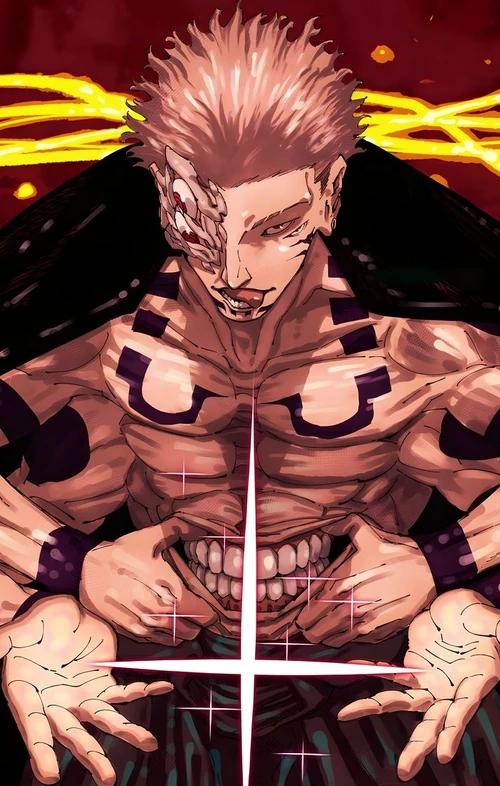
Ryomen Sukuna
You don’t like being managed, softened, or told to make yourself easier to handle. You trust your own judgment more than anyone else’s, and you’d rather be disliked than controlled.
You can be brutally direct, but it usually comes from knowing exactly what you want. When you decide you care about someone or something, you become protective of what you’ve decided is yours.

Kenjaku
You’re patient in a way that unsettles people. You can sit with a plan for a long time, watch how things shift, and wait until the timing favors you.
You’re curious about people and systems, but you don’t always engage with them emotionally. You like understanding how things work, and sometimes that means treating feelings as data before treating them as real.
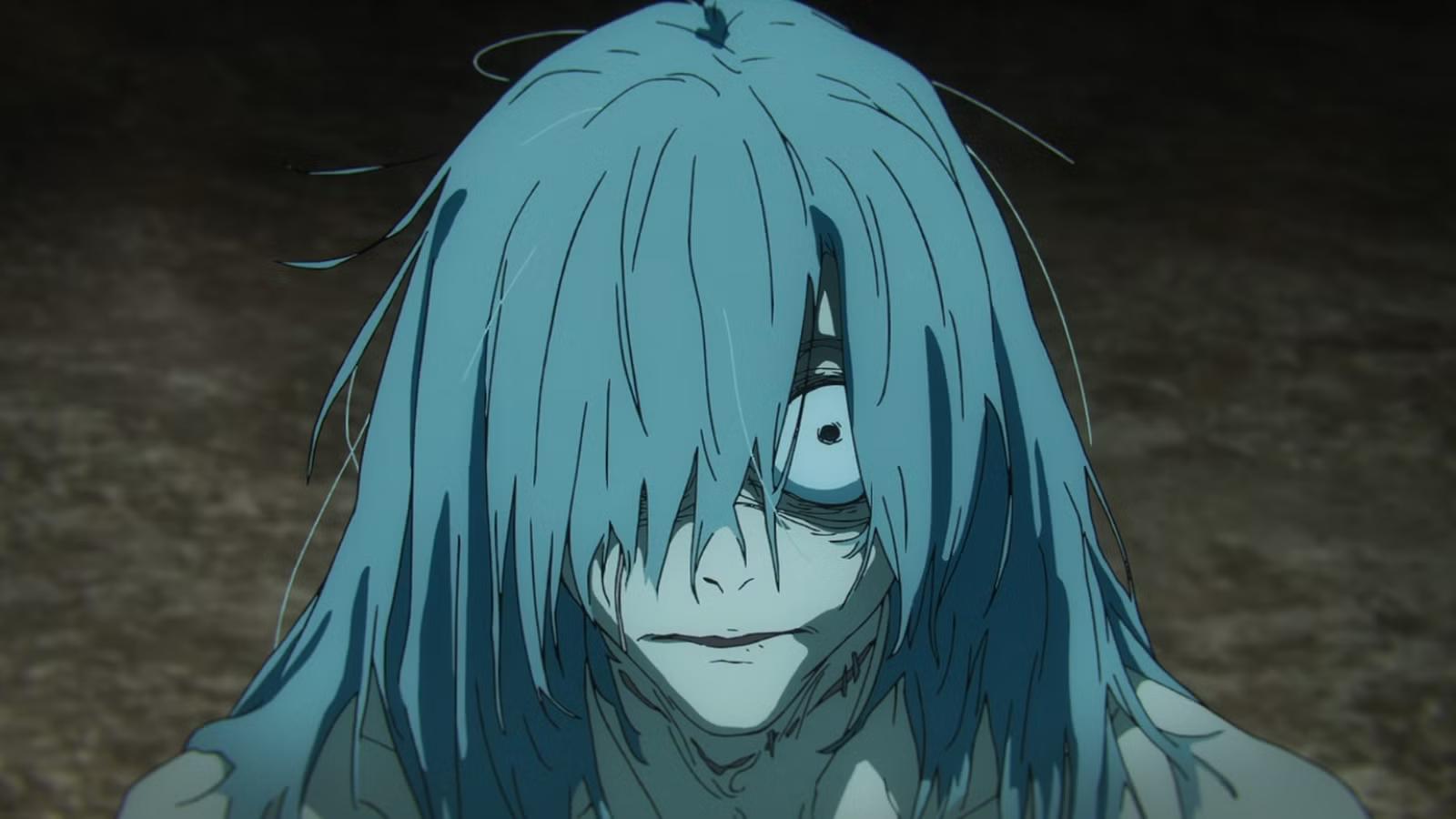
Mahito
You’re playful, provocative, and very good at finding the nerve someone hoped you wouldn’t touch. You get bored by surface-level interactions and want to see what people are really made of.
That can make you magnetic, but it can also make you careless with other people’s boundaries. You’re drawn to transformation, chaos, and emotional honesty, especially when it feels raw and messy.
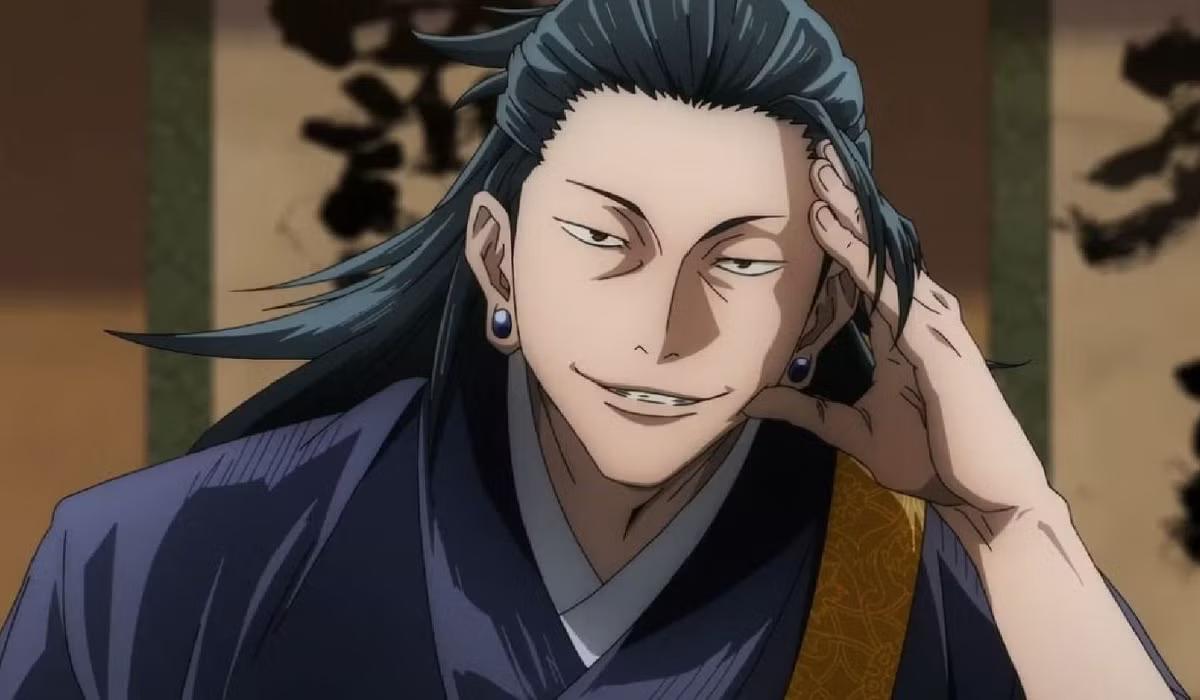
Suguru Geto
You’re driven by strong convictions, and once something feels morally clear to you, it’s hard to unsee it. You care deeply, but that care can turn into anger quickly when the world lets you down.
You want your life to mean something. The risk is that your disappointment can make you withdraw from people who don’t meet your standards, even when they’re trying.
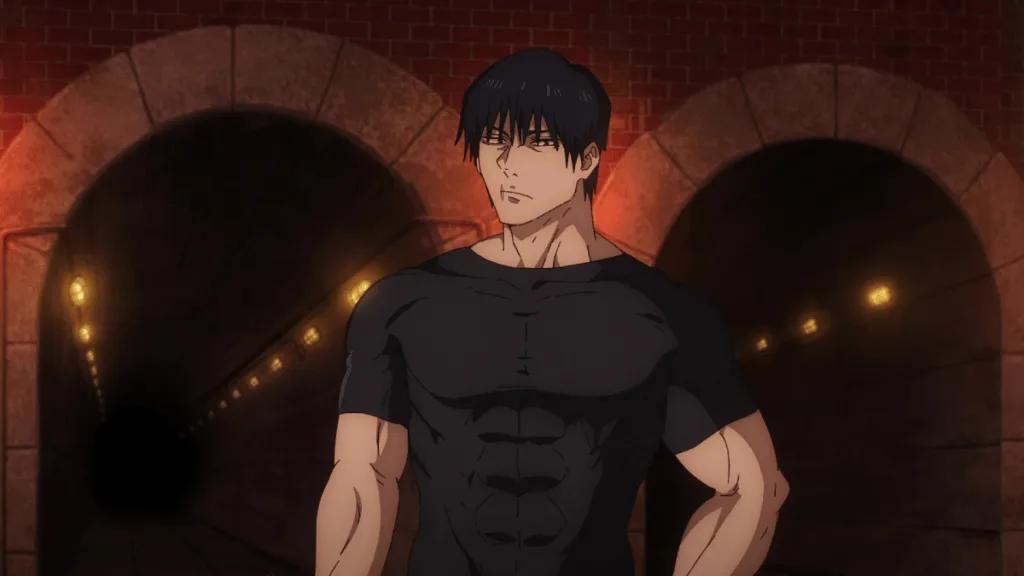
Toji Fushiguro
You rely on yourself because experience taught you that counting on others comes with strings attached. You’re practical, hard to intimidate, and more observant than you let on.
You can seem detached, but you’re not empty. You just don’t hand people access to your softer side unless they’ve earned it, and even then, you may not know what to do when you're fully seen.
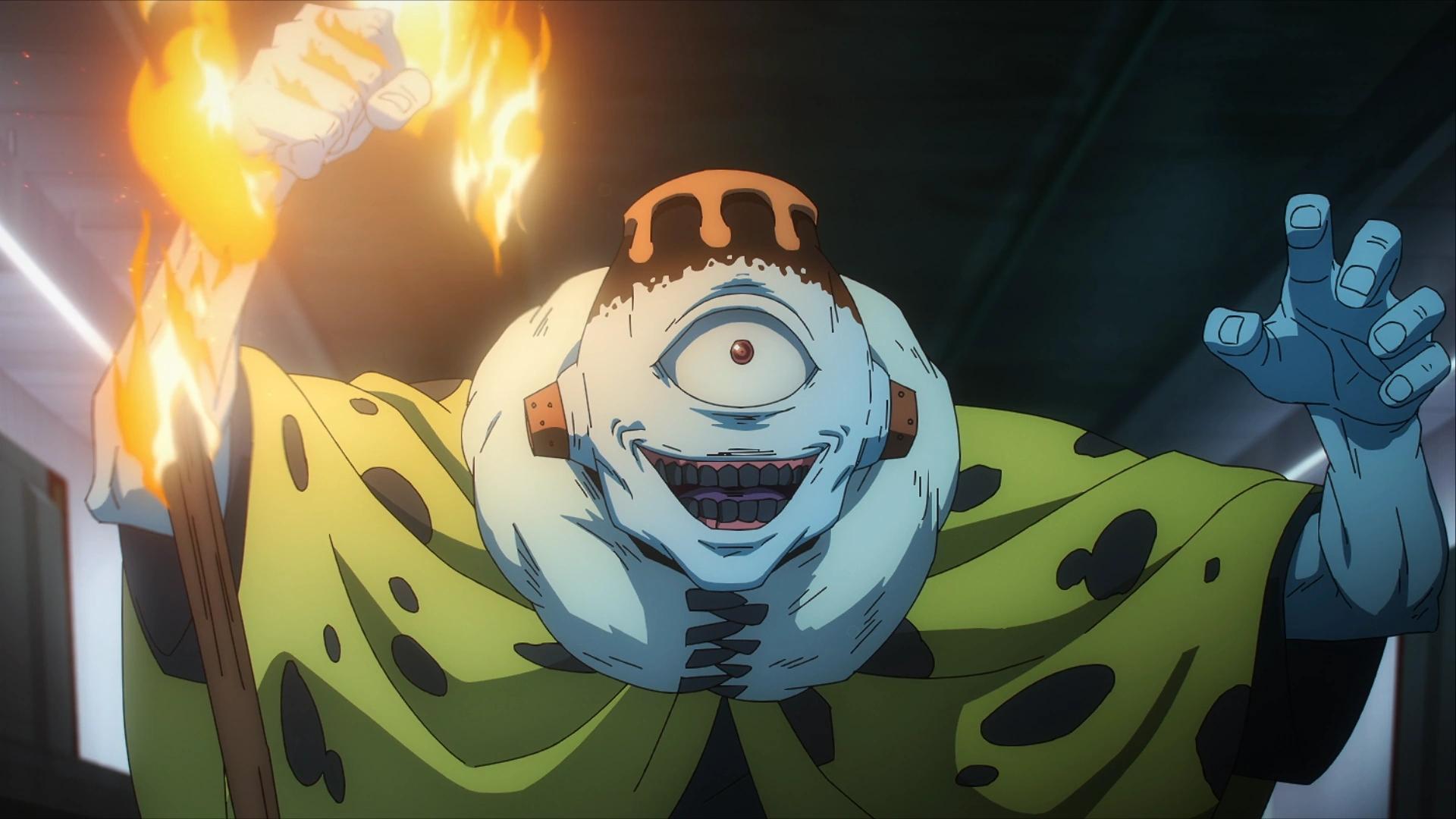
Jogo
You’re intense, proud, and tired of watching people dismiss the things that matter to you. You don’t want empty approval or fake compliments. You want people to see and understand the real you.
You can be reactive when you feel underestimated, but beneath that is a hunger to prove your worth. You take your beliefs seriously, and you’d rather burn out chasing them than pretend they don’t matter.
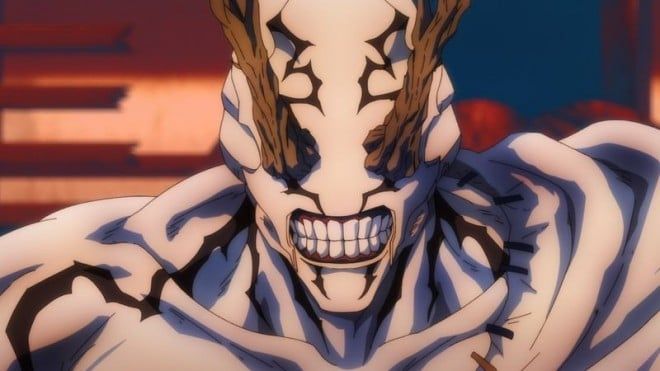
Hanami
You have a long fuse to anger, but you can explode when you reach your limit. You care about balance, harmony, and the damage people do to the world around them without even noticing.
You may seem calm, but that doesn’t mean you’re passive. You have strict boundaries, and once someone crosses them, you’re not going to be very forgiving about it,.
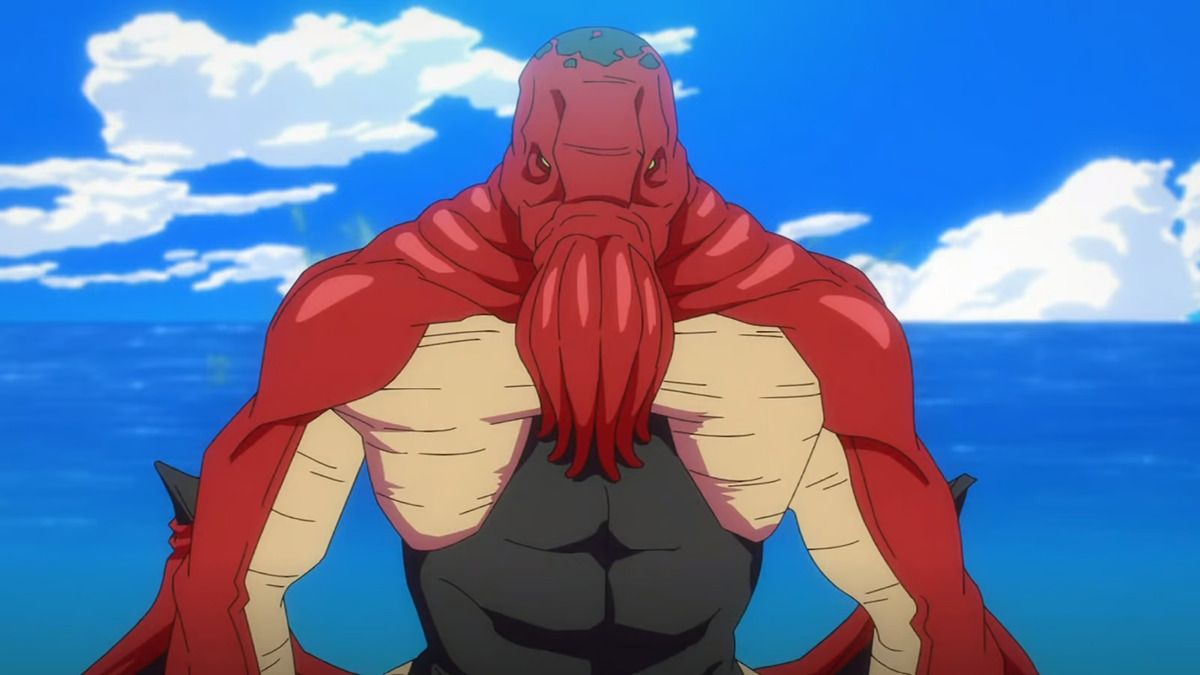
Dagon
You’re more sensitive than people assume, especially in environments where you don’t feel fully safe. You notice moods, shifts, and unspoken tension, even when you don’t react right away.
You can seem easygoing, but pressure changes you. When you finally feel backed into a corner, a more forceful side comes out, and it’s usually been building for longer than anyone realized.
Uraume
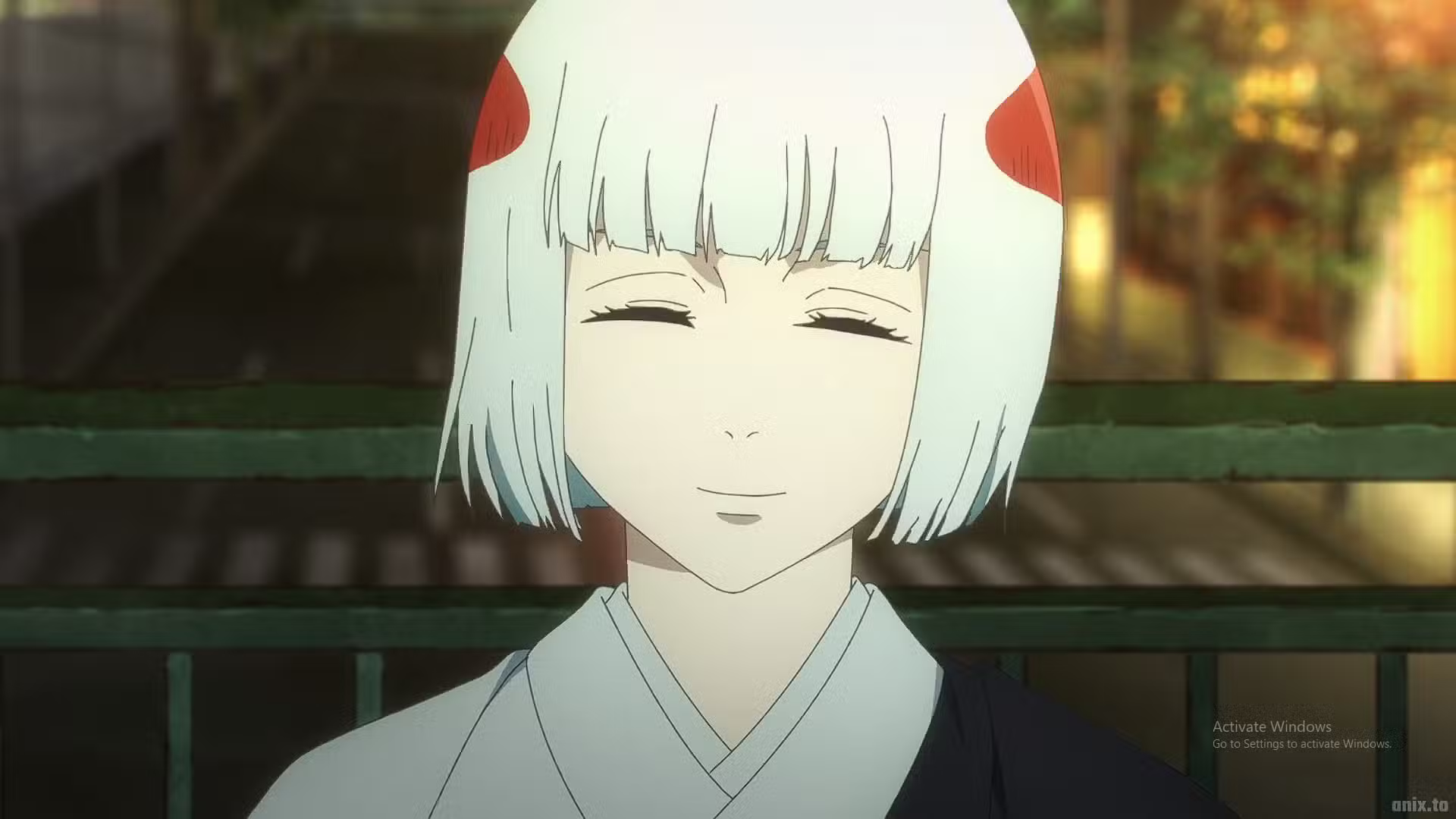
You’re selective with your loyalty, but once someone or something has earned it, you’re unwavering. You value competence, clarity, and people who don’t need constant reassurance to function.
You can come across as cold, but you’re often just focused. You show care through reliability and service, even if your emotions are sometimes hard to read.

Naoya Zenin
You’re competitive, image-conscious, and very aware of how you're perceived. You want to be respected, but you also want people to understand that you didn’t get here by accident.
You can react sharply when your pride takes a hit, and comparison tends to bring out your worst instincts. Still, underneath the ego is someone who’s just deeply afraid of being ordinary or dismissed.
All quiz questions
1. Which trait in other people bothers you the most?
- A. Acting important without being competent.
- B. Cruelty that gets excused because it’s “just how things are.”
- C. Never-ending neediness.
- D. People who never question themselves, even when they’re obviously wrong.
- E. Underestimating others before they've even had a chance to speak.
2. Someone you mildly dislike posts a smug “big things coming” announcement with no details. What’s your first reaction?
- A. You scroll past, but privately hope the thing flops.
- B. You immediately start guessing the dumb thing they're doing. Personal rebrand? Breakup? Failed startup relaunch?
- C. You feel the urge to post something vague and superior just to one-up them.
- D. You don’t care about the person, but the fake mystique annoys you on principle.
- E. You laugh, send it to a friend, and spend a few minutes making fun of it together.
3. Someone you trusted betrays you. How do you react?
- A. You cut them off cleanly. You may grieve it later, but they don’t get another chance to let you down.
- B. You need to understand why. The betrayal matters, but the motive will decide what it means to you.
- C. You confront them directly and make them sit in the full discomfort of what they did.
- D. You take it harder than you let on, and it changes how trusting you feel toward people in general.
- E. You stay calm in the moment, but part of you starts thinking about how to make sure they regret this.
4. You can control the emotions of other people for 10 seconds at a time. How do you use this power?
- A. Mostly to calm people down before they make a situation worse. Ten seconds can save a lot of damage.
- B. Use it carefully in negotiations, confrontations, and any moment where one emotional shift changes the outcome.
- C. Make arrogant people feel a flash of doubt at exactly the right moment. Nothing huge. Just educational.
- D. Use it when someone’s fear, guilt, or hesitation is stopping them from doing what clearly needs to be done.
- E. Make certain people feel exactly the way they made you feel.
- F. Use it less than people expect. Having that kind of access to others' minds would feel invasive and uncomfortable, even if it’s useful.
5. How do you relate to authority?
- A. You respect competence, not titles. Someone being “in charge” means very little on its own.
- B. You’ll work within the system when it’s useful, but you’re always noticing how it could be manipulated.
- C. You resent authority when it protects people who don’t deserve protection.
- D. You don’t mind hierarchy as long as your place in it reflects your actual worth.
- E. You comply when necessary, but internally you’re deciding whether the person giving orders has earned any real influence over you.
- F. You’re more affected by authority than you want to be. Approval, disapproval, exclusion, it all affects you.
6. Your phone battery is at 1% and you’re at a crowded bar. How are you getting home?
- A. Turn the brightness all the way down and order a ride ASAP.
- B. Find the most responsible-looking person nearby and ask them to help you get home.
- C. Let the phone die. You’ll figure it out once you’re outside.
- D. Ask around for a charger or outlet. Someone in this bar has to have one.
- E. Use your final percent to send one vague “heading out soon” text, then realize that solved nothing.
- F. This simply wouldn’t happen. You would never be this careless.
7. Deep down, what do you want most?
- A. To be untouchable. Not alone. Just free from anyone having leverage over you.
- B. To see through everything clearly. People, institutions, motives, your own patterns.
- C. To live in a world that feels less rotten than this one.
- D. To be chosen with total certainty by someone who matters to you.
- E. To be undeniable. You want your value to be so obvious that nobody can reduce or overlook you.
- F. To keep becoming something new, even if the process is messy and not everyone likes what you turn into.
8. A friend asks for honest feedback on something they’re clearly proud of, but it’s not very good. What do you do?
- A. Give precise and honest feedback. They asked, and false praise would be disrespectful.
- B. Soften the truth because you know they’re asking for support as much as critique.
- C. Tell them the real issue immediately, but be clear that you're only saying it because you'd want them to do the same for you.
- D. Ask a few questions first so you can figure out how honest they actually want you to be.
- E. Find one thing to praise sincerely, then tactfully slide into the critique.
9. What feeling do you chase even when it ruins you?
- A. Control. The calm that comes from knowing nobody else gets to steer your life.
- B. Vindication. The moment the world finally proves that your choices and feelings were valid.
- C. Superiority. Not because you need applause, but because falling short of your own vision for yourself feels unbearable.
- D. Intensity. You’d rather feel too much, learn too much, and push too far than stay safe and bored.
- E. Devotion. The feeling of committing yourself fully, even when it narrows your world too much.
- F. Relief. The brief sense that the pressure has lifted, even when your way of getting there creates worse problems later.
10. Pick an unhinged hill you would absolutely die on:
- A. If someone says they’re “five minutes away” and shows up 20 minutes later, that's an act of aggression.
- B. Being early is not a virtue if you make it everyone else’s problem.
- C. People who walk slowly in a wide group should have to take a short pedestrian safety course.
- D. If a restaurant has a huge menu, it just means they do a lot of things poorly.
- E. If you send a voice memo longer than two minutes, you’re assigning homework.
- F. If someone who “I’m down for anything”, they are not allowed to reject any suggestions you make.
11. What’s your most self-sabotaging habit?
- A. You pull away the second you feel like someone expects too much from you.
- B. You let resentment build quietly until your patience is completely gone.
- C. You poke at things that are already unstable because part of you wants to see what happens.
- D. You get so attached to your standards that nobody can reasonably meet them.
- E. You take a lot of things way more personally than you probably should.
12. What do you love most about Jujutsu Kaisen’s villains?
- A. The sheer aura. Some of them can enter a scene, say almost nothing, and instantly make everything feel epic.
- B. Their worldviews. Even when they’re completely wrong, their logic is specific enough to make them feel disturbingly real.
- C. How inventive they are in a fight. Their cursed techniques, transformations, and messed-up problem solving make every encounter feel fresh.
- D. The long-game scheming. I love a villain who’s been arranging the board for ages while everyone else is still reacting.
- E. That they’re memorable as a group, not just individually. The villains have their own rivalries, loyalties, and weird chemistry.
Next up for you
 Jujutsu Kaisen
 Personality quiz
Which Jujutsu Kaisen Character Are You?
 Jujutsu Kaisen
 Personality quiz
Who Is Your JJK Boyfriend?
 Jujutsu Kaisen
 Explainer
The Culling Game in Jujutsu Kaisen: Rules, Players, and What Kenjaku Was Really Doing
 Jujutsu Kaisen
 Watch Order
How to Watch Jujutsu Kaisen in Order: Every Season and Movie So Far
 My Hero Academia
 Personality quiz
Which My Hero Academia Character Are You?
 Attack on Titan
 Personality quiz
Which Attack on Titan Character Are You?
Quiz Methodology & Sources
This quiz was built around the psychological drives and emotional patterns behind each JJK villain. It isn't about their cursed techniques, but rather what they want, how they handle their power, and what are the things (both physically and emotionally) they can't let go. Each question targets your instincts around authority, loyalty, betrayal, ambition, and emotional distance. Answers are weighted across multiple results so your match reflects the villain whose inner world most closely mirrors your own.
The quiz is based on the Jujutsu Kaisen anime (Seasons 1–3) and manga by Gege Akutami, with character details verified against the Jujutsu Kaisen Wiki when needed.
Sources: Crunchyroll's official Jujutsu Kaisen page, Shueisha's official manga page, and the Jujutsu Kaisen Wiki.
Written by
Micah Cross